The Woman in Blue Who Returns in Three Episodes: A Near-Death Account and Its Readings
José Maurício, of Niterói, links a 1994 pituitary surgery to three experiences guided by a figure in blue; the case illustrates what near-death research describes and leaves open.
· 3 min read · Sources

In 1 minute
- José Maurício, of Niterói (RJ, Brazil), had surgery in 1994 for a pituitary tumor and says he woke up, under anesthesia, in a white space with a female figure dressed in blue.
- Months later he says he was led to a hall where he saw an elderly neighbor again, and years after that to a dark valley, from which the same figure pulled him amid a depression.
- There is no way to verify the account, and science has no consensus explanation for near-death experiences; he concludes that consciousness extends beyond the body.
Full article
One figure repeats across the three episodes that José Maurício, a native of Niterói (RJ, Brazil), says he lived through over the years: a woman in blue. She appears in the first, during a surgery, and returns in the third, when he says he was saved from a dark valley. The account is part of a series from the channel Afinal, o que somos? [So, What Are We?].
The case matters less as proof of anything and more as a portrait of what is called a near-death experience, or NDE: the set of perceptions some people describe after a life-threatening situation. Wikipedia notes that psychology and neuroscience study the phenomenon and that there is no scientific consensus on its causes. There is no way to confirm what José says he experienced. What follows is his account, alongside what the literature on the subject describes.
The surgery
In 1994, after bouts of headache, nausea, and vision loss, José was diagnosed with a tumor in the pituitary region, the small gland at the base of the brain that regulates much of the body's hormones. The tumor was an adenoma, a common and often benign type. The surgery was transsphenoidal, performed through the nose or mouth without opening the skull.
Going into the operating room, he felt an intense fear of dying. After the anesthesia, he says he woke up in a white, silent space, free of pain and with no sense of time. There stood a female figure in blue, who conveyed peace and safety without words, through what he describes as a subtle form of communication. He felt outside his body, yet still connected to it. He came back gradually, already in recovery, with bandages, pain, the taste of blood, and a sense of well-being.
The wooden hall
A few months later, resting at his workplace, he slipped into an altered state of consciousness. An invisible presence led him to a large hall of rustic wood, full of calm-looking people, many of them elderly. There he saw an elderly neighbor again, Dona Estela. She would die shortly afterward, and José reads the coincidence as a sign that the encounter had announced her passing. The people in the hall, he says, communicated by telepathy.
The dark valley
Years later, during what he calls an inexplicable depression, he lived through the third experience. Accompanied by a presence he understood as protective, he was led into a dark valley. He heard screams, sensed shadowy presences, and saw beings that never quite attacked him, as though a field of light shielded him.
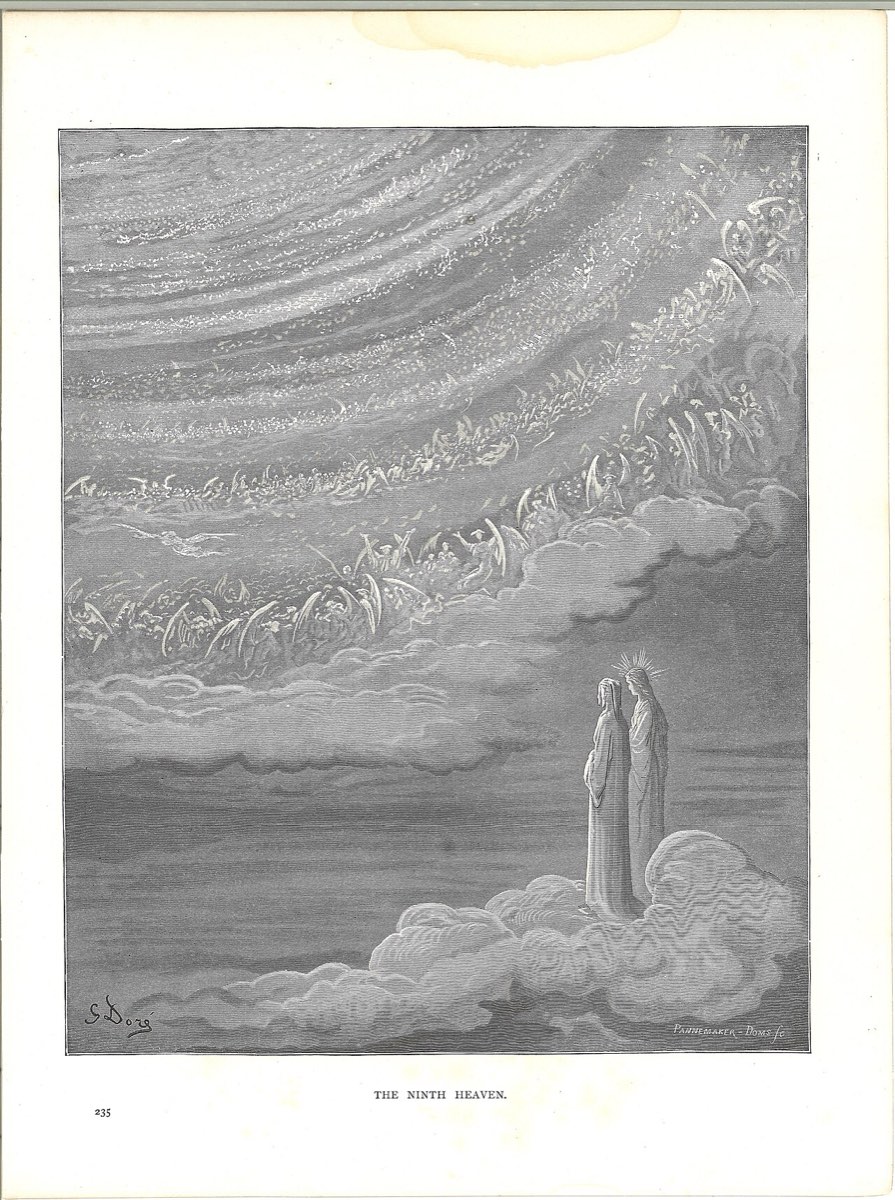
At the height of his despair, stuck in a mud he describes as symbolic and spiritual, he met the blue-clad female figure from the surgery once again. By touching him, she dispelled the dark influence and put an end, he says, to self-destructive thoughts. He interprets her as a being of light or a spiritual guide.
What research describes
Among the most common elements in NDE accounts, as noted in the studies of Raymond Moody and Elisabeth Kübler-Ross, are a feeling of inner peace, the sight of spiritual beings, the sensation of passing through a luminous tunnel, and the presence of a “being of light,” whose meaning varies according to the culture and religion of the person reporting it. Peace, a loss of the sense of time, and wordless communication all appear in José's story.
Distressing experiences, like the one in the dark valley, are also documented in the literature, as in the 1992 article by Bruce Greyson and Nancy Evans Bush published in the journal Psychiatry, although they are far less often reported.
What changed, and what remains open
José says he now lives with a new sense of purpose. He tries to be a better person and to pay closer attention to his feelings, to the energy he puts out, and to how he treats others. He believes the episodes opened a spiritual “channel” that remains active, and that consciousness is not confined to the body. For him, we are what we vibrate, and that vibration shapes experience here and beyond.
Parapsychologists and spiritualists read accounts like his as evidence that the mind does not depend on the brain; other researchers look for explanations in neuroscience and psychology. The woman in blue, present in all three episodes, is read by José as a spiritual guide. The question his account leaves open, one he does not resolve himself, is whether that presence is a reality or an image his mind built in three moments of great distress.
Sources and references for this article
Series from the channel Afinal, o que somos? [So, What Are We?], José Maurício's account
Near-death experience, Wikipedia (overview, common elements, and lack of scientific consensus)Pituitary adenoma, WikipediaGreyson, B.; Bush, N. E. Distressing near-death experiences. Psychiatry, 1992Translated from Portuguese. This article was rewritten from a post on the original blog, in Portuguese. Read the original
Read next
 Death and beyondThe woman in blue and the plea for help: José Maurício's account
 Death and beyondSix minutes without a heartbeat: Philip Hasheider's near-death experience
 Accounts and channelings · VideoThe fifth dimension: what the idea says, and what physics means by dimension
 Science and consciousness · VideoConsciousness during sleep: what science describes, and what is pure speculation
 Death and beyond · VideoThe rock that asks about love: Peter's near-death experience, in 1974