"Dying is changing clothes": what Laércio Fonseca says about the afterlife
The medium and conscientiology teacher Laércio Fonseca describes death as a transition and tells cases he says he found during his astral projections.
· 4 min read · Sources

In 1 minute
- Laércio Fonseca, who presents himself as a medium, spiritual researcher and conscientiology teacher, states that death is a transition in which the person keeps their identity and memories.
- He recounts four cases, among them a suicide who lost his memory and an atheist butcher who woke up in an astral hospital, and says each is received according to their consciousness.
- The claims come from his personal experience and cannot be verified; the conclusion is that living well prepares one to die well.
Full article
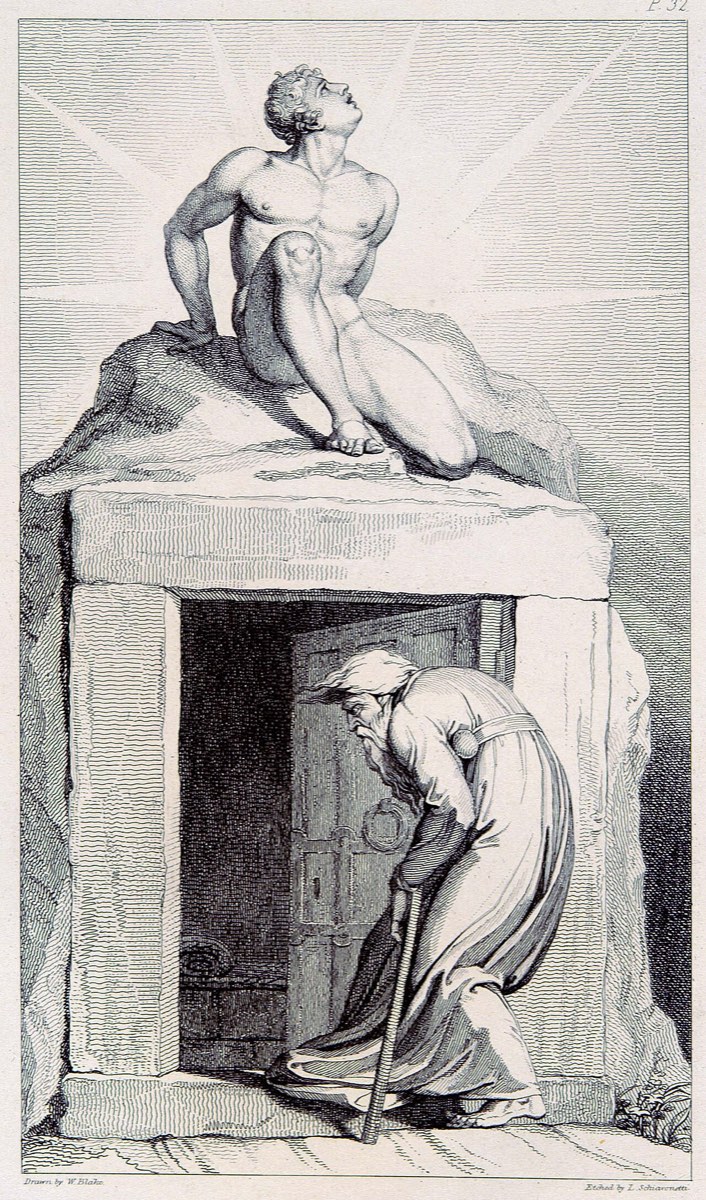
"Dying isn't the end, it's just changing clothes." That is how Laércio Fonseca, who presents himself as a spiritual researcher, medium and conscientiology teacher, sums up the answer he gives to old questions: what do we see, feel, and where do we go when we die? According to him, death is a transition, a change of plane with no loss of identity, memories or sensations.
His answer comes from experiences he says he has lived as a conscious medium and as an astral projector, that is, someone who claims to leave the body during sleep or in a state of concentration. Conscientiology, the movement he is tied to, is an offshoot of Spiritism founded by the Brazilian medium Waldo Vieira, which champions phenomena such as the out-of-body experience and reincarnation and presents itself as an "unconventional science," though it is described as pseudoscientific. Nothing Laércio recounts has been verified. What follows is his account.
No fixed script
Laércio states that there is no single script after death. What happens would depend on each person's level of consciousness, their emotional state at the moment of passing, the beliefs and attitudes they held in life, and their attachment to the body and to matter. For that reason, there would be no standardized heaven or hell, but rather a compatible vibration: each person would go wherever their own energy allows.
Four cases
The first is that of a distressed young blond man, whom Laércio says he saw crying in an astral city, not knowing where he was. He had hanged himself after losing his job and facing family troubles, and the shock had caused him amnesia. Laércio helped him remember and, with the support of spiritual teams, referred him for treatment. He concluded that not every person who dies by suicide goes to the so-called valley of suicides: intention, emotional state and level of consciousness would all weigh in.
The second is that of Antônio, a butcher from Governador Valadares, who did not believe in God or in life after death, but was very generous. He died of a heart attack and woke up in an astral hospital, convinced he was still alive. For days he was treated by the "doctors" until they told him the truth. For Laércio, love matters more than religion.
The third is that of Rubens, his disciple, killed in a motorcycle accident. Only after six months was he able to communicate with the group. When he did, he asked Laércio not to tell his wife that he was nearby, because that would keep her from moving on with another partner.
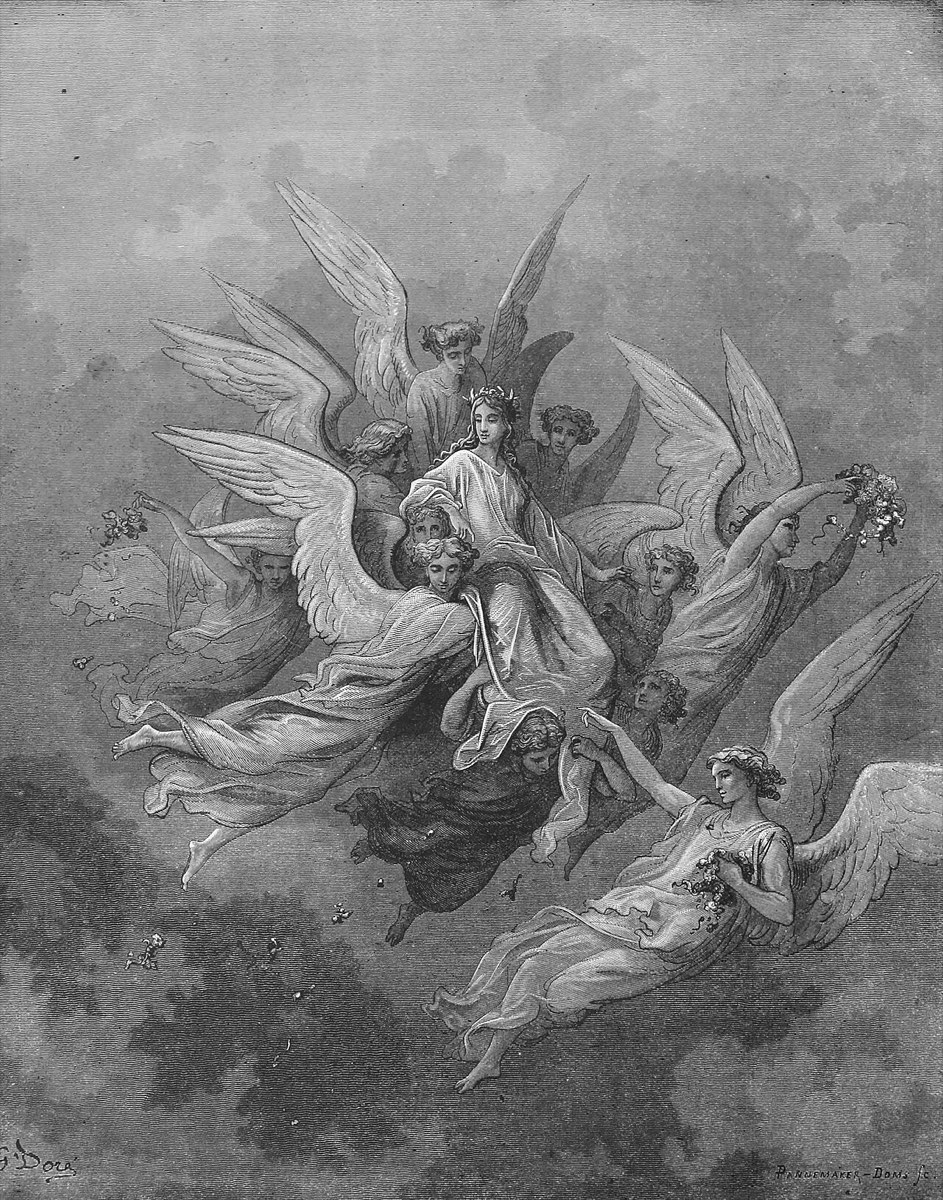
The fourth is that of a very religious woman, who expected to find the traditional heaven. The spirits built a symbolic setting for her, with clouds, angels and sacred music, and weeks later led her to an astral city of light, where evolution continues.
What death would be like
In Laércio's description, death happens when the physical brain stops and the silver cord, the link between the physical and spiritual bodies, comes undone. The spirit leaves with the same form, even with clothing and appearance, and many do not realize they have died, especially in sudden or traumatic deaths. The idea of a subtle body that accompanies the spirit recalls the perispirit of Allan Kardec's doctrine.
The advice for that moment is a simple sequence: stay calm, breathe, ask for help from the heart, avoid attachment to the body, pray even without religion, and wait for the right team to arrive. The umbral, a region of suffering in Spiritist cosmology, would be the fate of those who are stubborn, ignorant or emotionally out of control.
Animals, babies and other questions
Pets would stay near their owners for a while without noticing they had died. Laércio recounts that his cat spent nearly a year sleeping on his lap, in spirit. Babies and children would quickly return to the spiritual plane and resume memories of past lives.
On suicide, he says there is no automatic punishment: what counts is the emotional and spiritual vibration. Someone in a deep coma could already have detached from the body, even though the body remains alive. And cremation would not affect the spirit, which would no longer be tied to the body after death, the "old clothing."
Living well to die well
Laércio's conclusion is that a good death comes from a good life, lived with awareness, detachment and presence. The other side would be neither a place of punishment nor of reward, but a continuation of what we already are inside: whoever plants love would reap welcome, and whoever plants pain would reap what they created. The idea is comforting, but it remains a belief, and the question of what lies after death remains without an answer science can confirm.
Sources and references for this article
Account by Laércio Fonseca on life after death (video)
Conscientiology, WikipediaSpiritism, Wikipedia (Allan Kardec and Spiritist doctrine)Mediumship, WikipediaTranslated from Portuguese. This article was rewritten from a post on the original blog, in Portuguese. Read the original
Read next
 Death and beyond · Video"End of the Earth project": one medium's claim that mass death would be a departure
 Death and beyond · VideoA hereafter with no judge: Laércio Fonseca on the fate of consciousness after death
 Accounts and channelings · VideoWho are you without your name? A talk on social identity and the "higher self"
 The EastWhy we suffer: Buddhism, Taoism, and karma in Laércio Fonseca's reading
 Death and beyond · VideoSpiritual resorts, games, and a writers' house: inside one man's vision of heaven