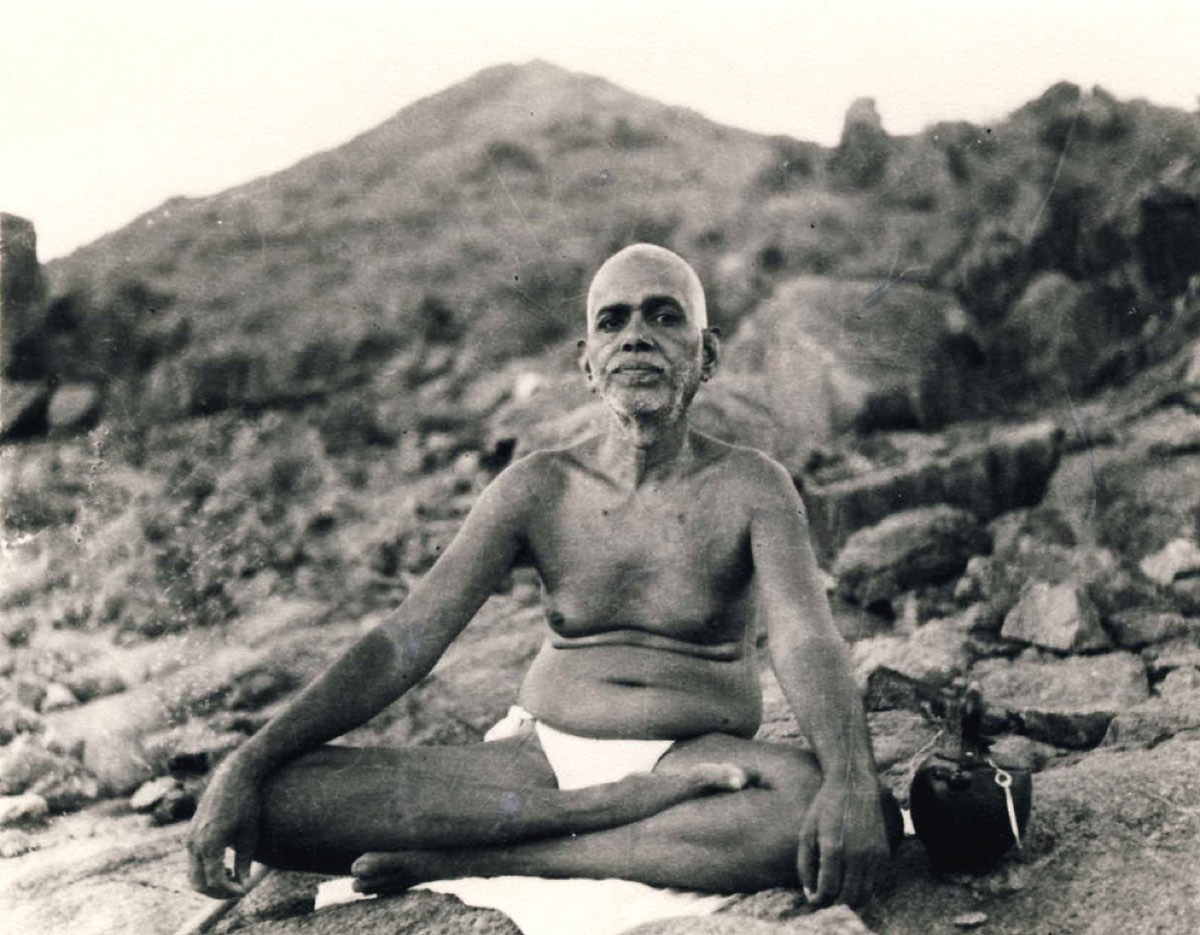
Gita, lesson 15: knowing isn't doing, and the knower is the Self itself
Knowing isn't doing: it happens when the right means are present, and the Self is said to be the inner witness that knows every thought.
· 1 min read · Sources

In 1 minute
- Doing depends on will; knowing happens when the right means are present.
- Vedānta recognizes several means of knowledge (*pramāṇa*) and gives special weight to teaching transmitted by a master.
- The Self is said to be the inner witness (*sākṣī*) that knows every thought, and the problem is mistaking it for body and mind.
Full article
No one decides to see the color of a wall: one opens one's eyes and sees it. The fifteenth chapter in Swami Dayananda Saraswati's series starts from that mundane observation to make a case about self-knowledge: knowing is not an action one performs, but an event that occurs once the conditions are in place.
Action and knowledge
Doing, the karma of Indian tradition, depends on will: reaching, seeking, deciding. Knowing, jñāna, does not. It only requires an object within range and senses that function. Even perception, Dayananda notes, can be distorted by expectation, fear, and anxiety. Seeing clearly is, in part, a matter of reducing the projections the mind adds.
The means of knowing
Vedānta, the Indian school of reflection on Being, calls a valid means of knowledge a pramāṇa, and the chapter lists several: direct perception; inference, such as deducing fire from seeing smoke; perception of absence, such as knowing there is nothing in one's hand; analogy; and verbal testimony (śabda). The last is the most important for this topic, because the Self is not an object of the senses or of deduction. According to Dayananda, only the teaching of the Upaniṣads, transmitted by a qualified teacher, can reach it.
The witness
The chapter also introduces the concept of sākṣī, the inner witness: the continuous awareness that accompanies thoughts, which lets one notice that one thought something or changed one's mind, without resorting to any sense. This knower is said to be the Self. Action would come afterward, as a possibility, not as its essence.
From this follows the chapter's conclusion: self-knowledge does not require becoming something new. It requires ceasing to mistake oneself for what one is not — the body, the mind, social roles.
The complete study is in the book A Essência do Bhagavad Gītā (The Essence of the Bhagavad Gita), by Swami Dayananda Saraswati.
Sources and references for this article
A Essência do Bhagavad Gītā (The Essence of the Bhagavad Gita), Swami Dayananda Saraswati (book)
Translated from Portuguese. This article was rewritten from a post on the original blog, in Portuguese. Read the original
Read next
 Vedanta and YogaConsciousness with a body: what Vedānta says the “self” is
 Vedanta and YogaThe value of values: why Vedānta begins by preparing the mind
 Science and consciousnessVedānta and quantum physics: what the observer has to do with reality
 Western esotericism · VideoWhat was Gnosticism: a dualist heresy, or a path of self-knowledge?
 Vedanta and Yoga · VideoWhat Dies When Someone Dies? The Answer from Ramana Maharshi and Advaita Vedanta