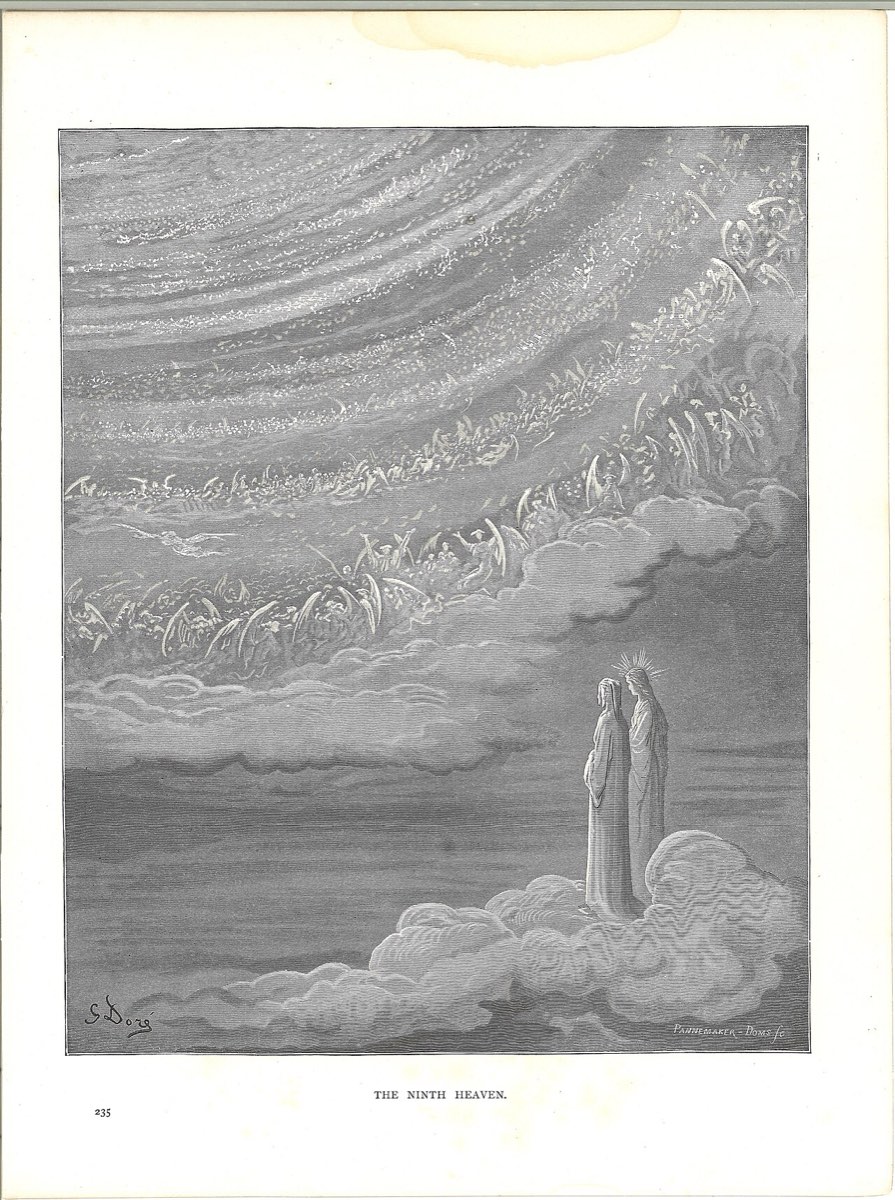
Near death: three survivors and the doctors who see consciousness going on
Anthony Chene's documentary pairs three near-death accounts with Raymond Moody, Eben Alexander and Pim van Lommel, for whom the mind outlives the body.
· 2 min read · Sources
Source video
Anthony Chene production · “Near Death Experiences (Documentary)”
More videos and documentaries in the Videos tabIn 1 minute
- Near Death Experiences, a 108-minute film by independent filmmaker Anthony Chene, brings together three people who say they left their bodies during cardiac or respiratory arrest.
- Raymond Moody, Eben Alexander and Pim van Lommel argue that the brain does not produce consciousness but receives it, and that it continues after death.
- The film hears from no skeptical neuroscientists: the hallucination hypothesis appears only to be rebutted, and science still has no consensus on the phenomenon.
Full article
In January 2003, Vinney Tolman, then an amateur bodybuilder in his early twenties, took a supplement bought online, fell ill at a fast-food restaurant and collapsed in the bathroom, choking on his own vomit. He says he watched the rescue from above, including the moment a rookie paramedic, with the body already zipped into a bag in the ambulance, defied his colleagues and tried to revive him with the defibrillator.
Stories like this are the material independent filmmaker Anthony Chene, who funds his films through viewer donations, uses to build a nearly two-hour documentary on the near-death experience (NDE): the set of sensations some people describe after coming close to dying, such as leaving the body, passing through a tunnel and reviewing their own life.
Three survivors
Besides Tolman, two women speak. Penny Wittbrodt, an intensive care nurse, went into anaphylactic shock, was placed in an induced coma and says she met her grandmother, who had died decades earlier. Barbara Bartolome went into cardiac arrest in 1987 in Santa Barbara, California, after an error during a contrast scan of her spine; she describes her resuscitation as seen from the ceiling and recalls that the neurosurgeon left the room when she tried to report what she had seen. All three speak of a love hard to put into words, of a life review seen through other people's eyes and of choosing to come back.
The convinced doctors
Three physicians set the film's tone. Psychiatrist Raymond Moody, author of Life After Life (1975), the book that made the subject popular. Neurosurgeon Eben Alexander, who taught at Harvard and spent seven days in a coma with meningitis in 2008. And Dutch cardiologist Pim van Lommel, who compares the brain to an internet receiver: the device picks up consciousness but does not make it. All of them have written books on the subject.
Moody is the most cautious. He says logic does not allow the conclusion that there is life after death, yet admits he came to believe in it: "It's not like a conclusion. It's just that I've run out of ways to think my way out of it."
What is left out
Van Lommel's research is real: in a study published in The Lancet in 2001, 62 of 344 patients resuscitated after cardiac arrest (18%) reported an NDE, and its frequency did not depend on how long the arrest lasted or on medication. But there is no scientific consensus on what causes the experience. The film mentions oxygen deprivation and drug effects only so the interviewees can dismiss them, without hearing from any researcher who defends those explanations. The times spent clinically dead come from the memories of those who lived them, and the final section, with its prophecy of a "great separation" of humanity, is Tolman's personal belief.
Why watch
For the strength of the testimonies and for what the film shows after the return: years of loneliness, doctors who would not listen and families unsettled by the change. It is an honest portrait of people who lived through an NDE, even if it is not a debate.
Sources and references for this article
Near Death Experiences (Documentary). Anthony Chene production, YouTube, 28 Jan 2026Near-death experience in survivors of cardiac arrest: a prospective study in the Netherlands. Van Lommel et al., The Lancet, 2001Near-death experience, Wikipedia (in Portuguese)Get the best articles of the week
One email a week, no spam. Unsubscribe anytime.
Read next
 Death and beyond · VideoOn the Threshold: documentary gathers ten years of interviews on near-death experiences and research on dying
 Death and beyond · VideoWhat dying feels like: three young women describe a near-death experience and what changed afterward
 Science and consciousness · VideoConsciousness during sleep: what science describes, and what is pure speculation
 Indigenous peoples · VideoPena e Maracá: the healers of Soure, on Marajó Island, and the enchanted beings of the deep
 Death and beyond · VideoLight, a silent hall and a dark valley: José Maurício's three experiences