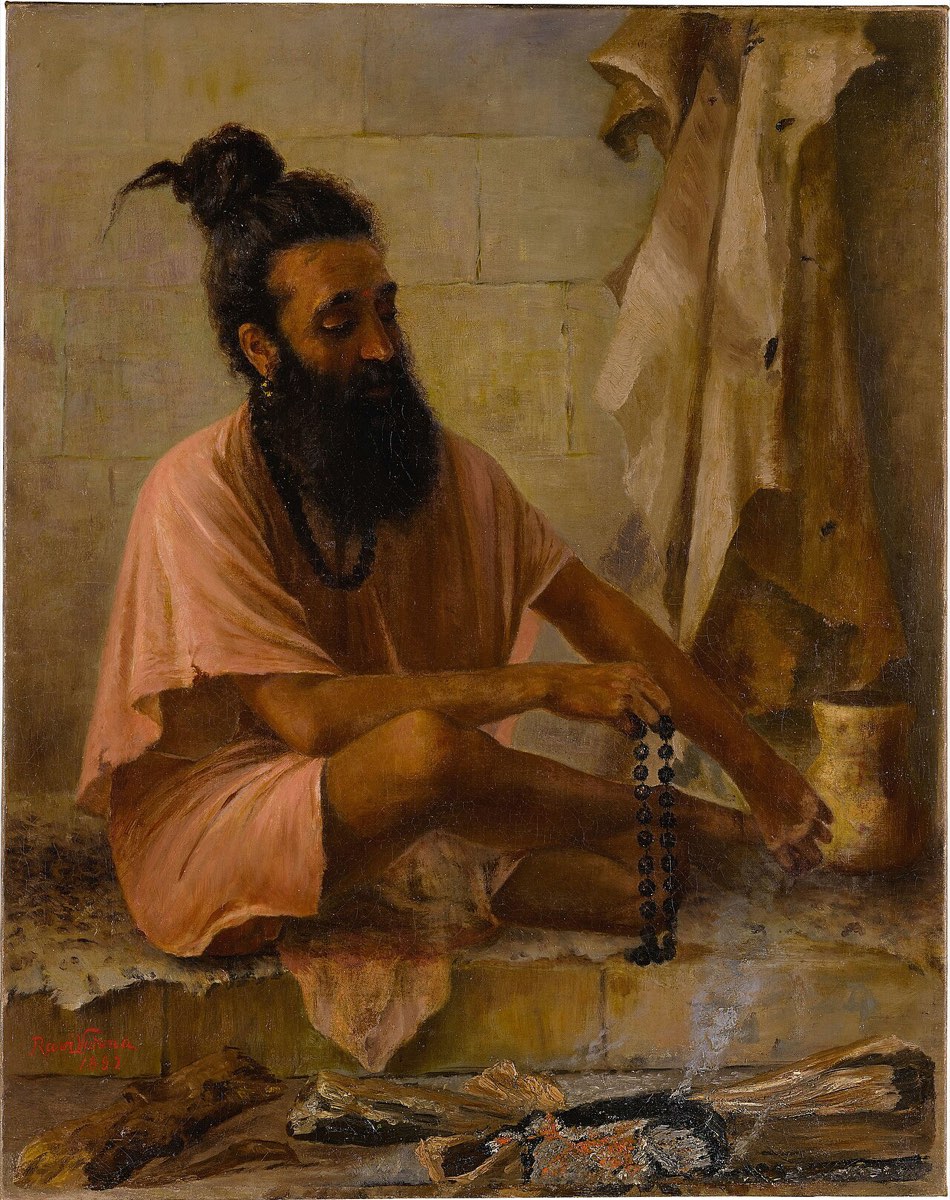
Indigenous elders from several continents to gather in South Africa for the Origins meeting
The World Tribal Alliance is preparing, on the Cape Peninsula, a week of ceremonies with knowledge keepers from dozens of peoples, including Maori, San and Lakota.
· 4 min read · Sources
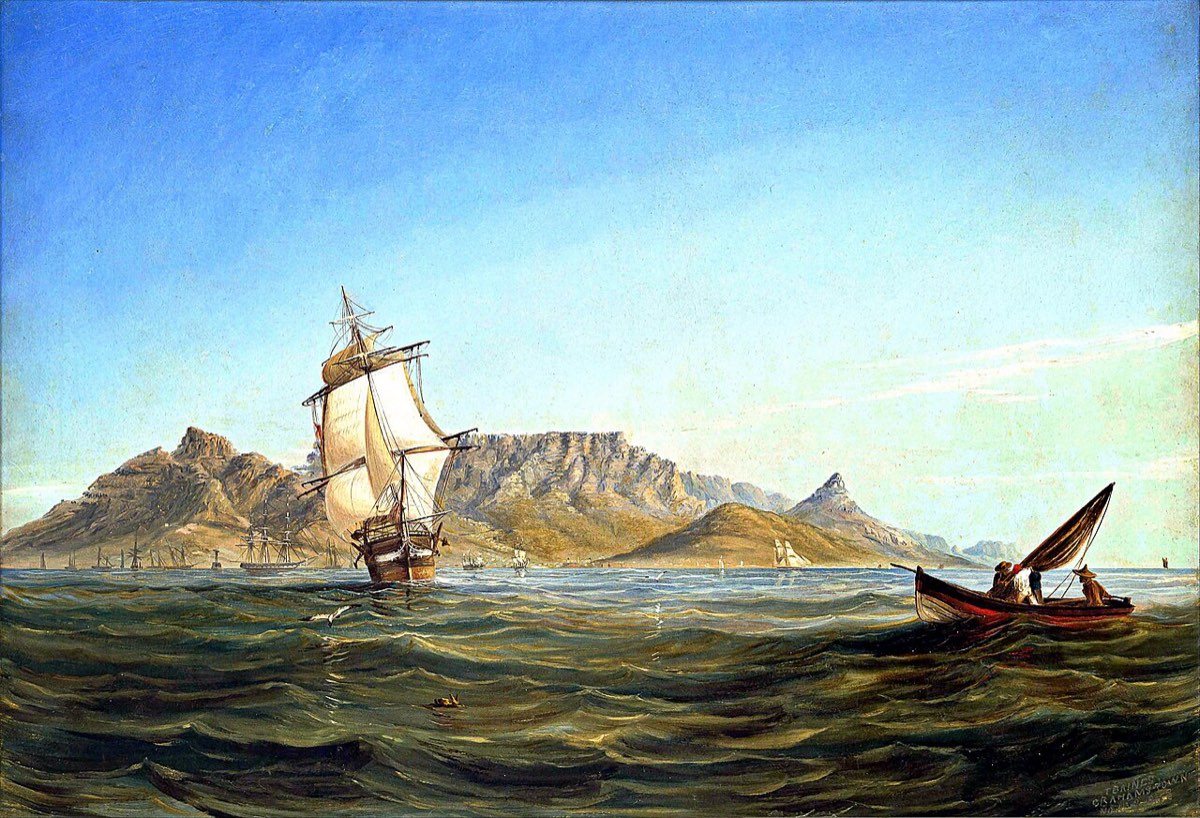

In 1 minute
- The World Tribal Alliance is organizing the Origins gathering, on the Cape Peninsula in South Africa, with elders from dozens of peoples, including Maori, San and Lakota.
- According to organizer Dominic, it is not a political conference, but a week of ceremonies in places such as Cape Point, Robben Island and Table Mountain.
- The elders' stated proposal is to reconnect people to nature through simple gestures, like planting tomatoes in a pot, rather than lists of prohibitions.
Full article
On the southern coast of Africa, about 300 kilometers from Cape Town, a cave holds some of the oldest evidence of symbolic human behavior. It is in this region that the World Tribal Alliance, an organization that describes itself as a gathering of keepers of traditional knowledge, wants to bring together shamans, healers and elders from every continent for a meeting called Origins. Among the peoples named are the Maori, from New Zealand, the San, from the Kalahari, and the Lakota, from North America, along with dozens of other traditions.
The project reflects a growing trend: looking to indigenous peoples for answers to the environmental crisis. What the organizers propose, and what does and does not fit that expectation, helps make sense of the event. The information comes from a video interview with one of the organizers, identified only as Dominic, and the intentions and beliefs expressed are his own. There is no independent verification.
A gathering with no political agenda
Origins, Dominic says, is not a political conference. It would be a sequence of spiritual ceremonies, whose purpose, according to the organizers, is to heal the planet's wounds by starting at the origin. The message they want to amplify is the one nature has been trying to convey for centuries.
Dominic describes the current moment as a turning point: humanity would have gone too far and lost sensitivity to Mother Nature's "vibrations," which would be driving it toward a point of no return. It is a spiritual and environmental reading, with no targets or figures attached.
How the alliance came about
The idea came from Mohanji, a spiritual teacher who, upon seeing the devastating wildfires in Australia, felt an urgency to gather the sons and daughters of Mother Nature to give her a voice. The alliance would operate under an unusual guideline: not to go out recruiting members nor follow a rigid plan. For Dominic, the plan already exists, and the task would be to unearth it and let it flow.
Little by little, he recounts, elders joined from places as distant as Hawaii, Norway, the Brazilian Amazon and Colombia. The organizers say they found consistency among the cosmologies, that is, among each people's explanations of the origin and order of the world. All would speak the same language of Sky Father, Earth Mother and the unity of all life. The claim is the organizers' own and simplifies the diversity of these peoples.
Why the Cape
The Cape Peninsula carries symbolic weight. Blombos Cave, on the southern coast of South Africa, contains deposits dated between 100,000 and 70,000 years ago and was decisive for understanding the emergence of modern symbolic behavior in the Middle Stone Age. The organizers speak of about 200,000 years as the time when complex thought, art and human culture arose there, an older figure than Blombos's own dating. Dominic sums up the idea in a question: what better place to host the elders than the genesis of civilization itself?
The intent, he says, is to reflect on what the species has done with its capacity to think. In one line from the interview: "We need to go back to the seed of humanity to heal this, and then new lines of energy will sprout and reach the rest of the world."
The week of ceremonies
The week-long itinerary calls for acts of symbolic healing in places of heavy historical weight. The opening will be at Cape Point, where the Atlantic and Indian Oceans meet. The elders will visit Robben Island, the island where Nelson Mandela and his companions were imprisoned for more than two decades, today a UNESCO World Heritage Site, to "clear the dense frequencies" of the colonial past. One of the most anticipated moments is a Hawaiian ceremony at sunrise atop Table Mountain, led by the elder known as Auntie Puna.
Planting instead of forbidding
The proposal differs from traditional environmental activism. Instead of lists of prohibitions, the elders' knowledge, according to Dominic, favors simple actions that reconnect a person to nature. Instead of telling people to avoid plastic, the elders would tell them to plant tomato seeds in a pot, care for the plant, and see what happens. The experience would change one's relationship to waste, because it reveals the value of life's process.
The stated goal is not to found an institution or a dogma. They cite an Aboriginal Australian elder, for whom the task is to create the conditions for love to arise. For the organizers, healing the world begins with remembering that one is part of it, and that reminder would come from those who never forgot it.
What remains open
Gatherings of traditional knowledge do not replace climate policy, and the organizers themselves do not claim they do. What they offer is something else: a space for listening and ritual, in places of historical weight, built on the premise that one's relationship with nature is lived before it is decreed. Whether that changes anything outside the ceremonies is a question the gathering, by itself, does not answer.
Source video
Sources and references for this article
Interview with World Tribal Alliance organizers about the Origins gathering (YouTube)Blombos Cave, Wikipedia (dating and archaeological significance)Robben Island, WikipediaTranslated from Portuguese. This article was rewritten from a post on the original blog, in Portuguese. Read the original
Read next
 Western esotericism · VideoKabbalah in one hour: Gil Sheer's claim that it is a method, not a religion
 Western esotericism · VideoThe Kybalion, chapter 10: the Principle of Polarity and choosing your degree
 The East · VideoTen lessons from Taoism on living without forcing life's rhythm
 Vedanta and Yoga · VideoUpanishads: what the 108 texts underlying Indian philosophy are, and what they teach
 Vedanta and YogaGita, lesson 16: belief isn't knowledge, and the Veda as a mirror of the Self