What is consciousness? Vedanta faces off with neuroscience, physics, and AI
In a talk, the monk Swami Sarvapriyananda argues that consciousness is not an object, that science doesn't explain its origin, and that an AI wouldn't have it.
· 3 min read · Sources

In 1 minute
- For Advaita Vedanta, consciousness is the backdrop present in every experience, not an object or a product of the mind.
- The swami argues that global workspace theory and integrated information theory don't solve the "hard problem" of explaining how matter produces subjective experience.
- According to him, consciousness doesn't die with the body, and an AI simulates functions of the mind but isn't conscious; these are positions of one tradition, not scientific consensus.
Full article
A washerman finds a diamond and starts using it to scrub fabric, not knowing what he holds in his hands. That image opens Swami Sarvapriyananda's talk at the India Today Conclave, a debate event hosted by Indian media. The diamond, he says, is consciousness: everyone uses it all the time, and few know what it is.
Sarvapriyananda is a monk of the Ramakrishna Order and a teacher of Advaita Vedanta, the Indian school that teaches the unity of the self and ultimate reality. In the talk, he puts that tradition face to face with neuroscience, quantum physics, and artificial intelligence. The underlying question, what consciousness is, still has no consensus answer in science, and Vedanta's position is one possible philosophical answer, not a laboratory result.
What Vedanta calls consciousness
For Advaita Vedanta, consciousness is what is always present behind any experience: seeing, hearing, thinking, dreaming, suffering, or remembering. In Sanskrit, the classical definition is anidam chaitanyam. The swami interprets it this way: consciousness is that which is never an object, but makes possible the experience of every object.
Hence the distinction between mind and consciousness. The mind is what passes: thoughts and emotions that come and go. Consciousness would be the witness, a silent observer that never changes. Many Western theories, he says, still conflate the two.
The hard problem
He takes on the so-called "hard problem" of consciousness, formulated by philosopher David Chalmers: how do subjective experiences, qualia, arise from physical phenomena like neurons and synapses? Qualia is the term for the felt character of an experience, such as the redness one sees or the pain one feels.
The swami criticizes two influential theories, global workspace theory and integrated information theory. In his assessment, both make an unjustified leap from the objective to the subjective, without explaining the passage from matter to mind. The critique reflects a real debate in the field, where no theory holds consensus.
Consciousness and death
When someone dies, the body disappears, but that doesn't prove, the monk argues, that consciousness ends. He notes that every religion agrees that something survives. In Vedanta, consciousness is neither born nor dies. Reincarnating would be like changing clothes, and the essential being would remain intact. The goal, in this view, isn't some future heaven, but realizing that the person already is the infinite.
Science has no established evidence either for or against the survival of consciousness after death. It's an open question.
Psychedelics, AI, and quantum physics
The swami mentions mystical experiences induced by psychedelics, but warns they don't prove a genuine spiritual awakening. True self-knowledge would come from directly observing one's own mind and emotions, not from altered states.
On AI, he argues it can simulate every function of the human mind, from writing poems to composing music, except consciousness. The reason, he says, is that consciousness isn't an algorithm, it's presence, and no engineer today knows where to even begin reproducing genuine self-awareness.
Finally, he sees echoes of Vedanta in quantum physics, especially in the idea that an object's properties are only defined once observed, as in the collapse of the wave function, and cites Carlo Rovelli and Erwin Schrödinger as scientists who drew close to Indian philosophy. For him, reality would be a construction that depends on consciousness. This is a philosophical and controversial reading: among physicists there's no agreement on the role of consciousness in quantum measurement, and many reject that interpretation.
Four questions
The talk closes with four questions that, for him, Vedanta still answers well: who am I, what comes after death, what truly exists, and whether science accounts for everything. The invitation is to turn inward and discover that consciousness is the foundation of everything, and coincides with the one asking the question. Science, for its part, keeps asking from the outside.
Sources and references for this article
Talk by Swami Sarvapriyananda at the India Today Conclave
Hard problem of consciousness, WikipediaSwami Sarvapriyananda, Wikipedia (English)Advaita Vedanta, WikipediaTranslated from Portuguese. This article was rewritten from a post on the original blog, in Portuguese. Read the original
Read next
 Vedanta and YogaGita, lesson 18: what I can call "I" and what is merely an object
 Vedanta and Yoga · VideoIs the universe real? Advaita Vedānta's three answers, from creation to "never born"
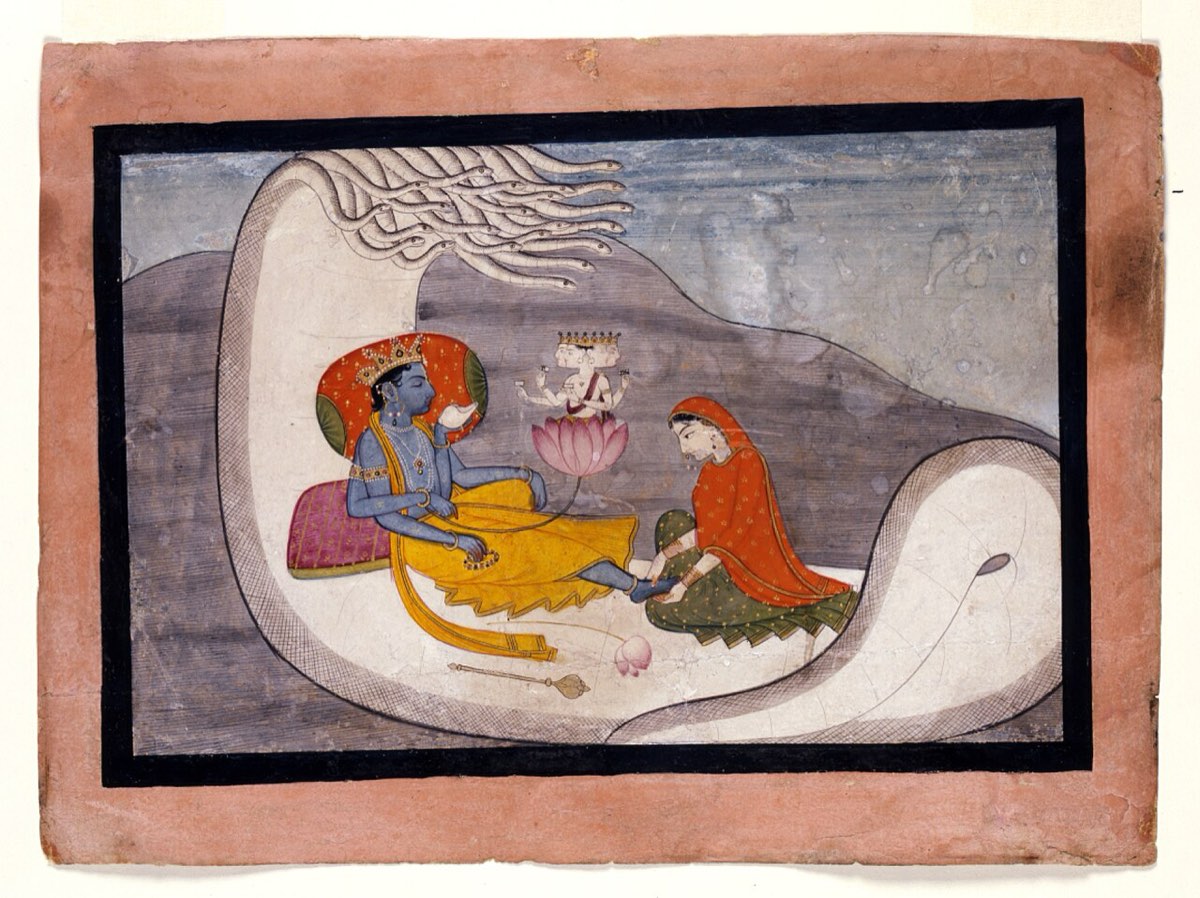 Science and consciousnessVedānta and quantum physics: what the observer has to do with reality
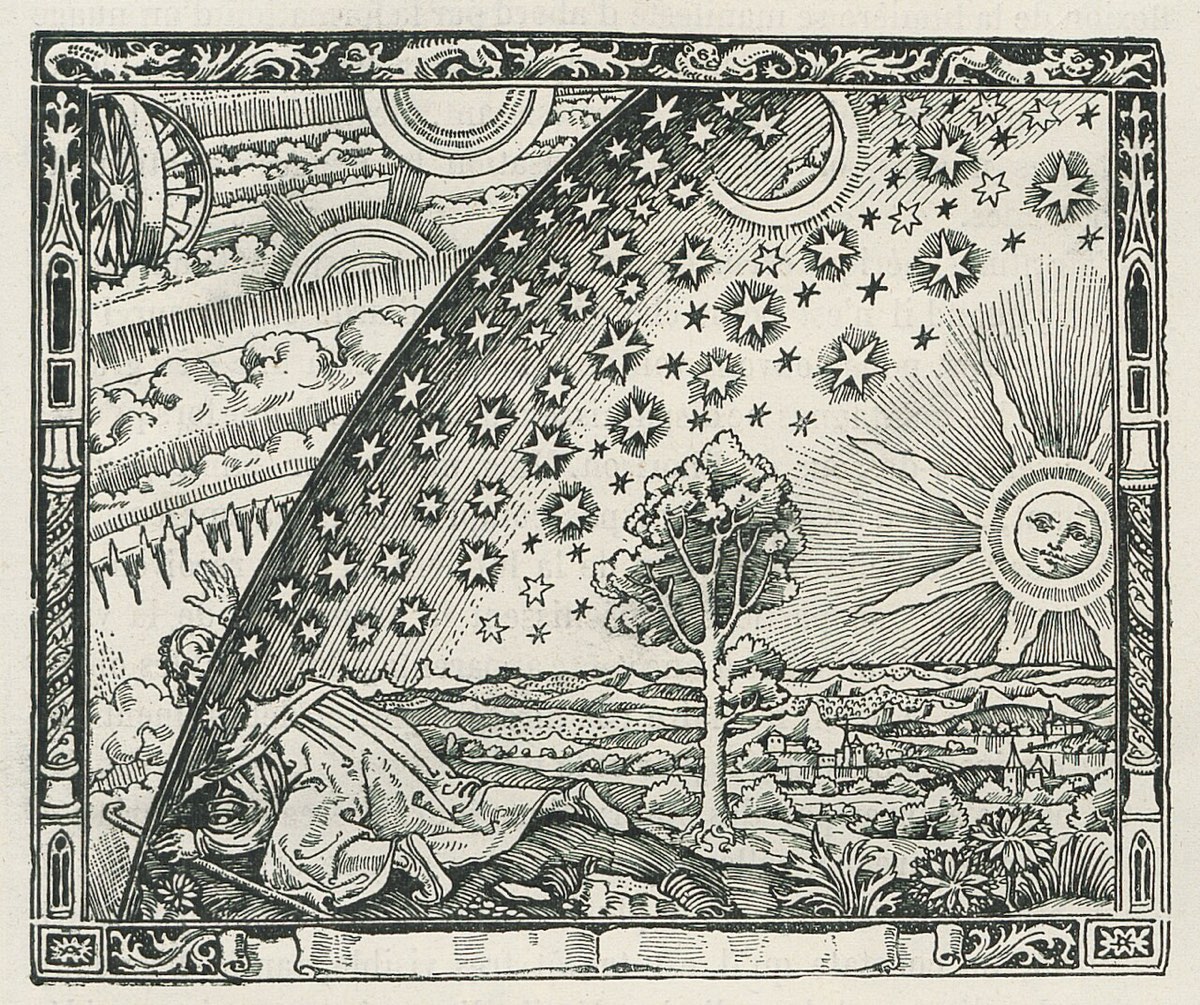 Science and consciousnessQuantum physics and Vedanta: where the analogies help and where they mislead
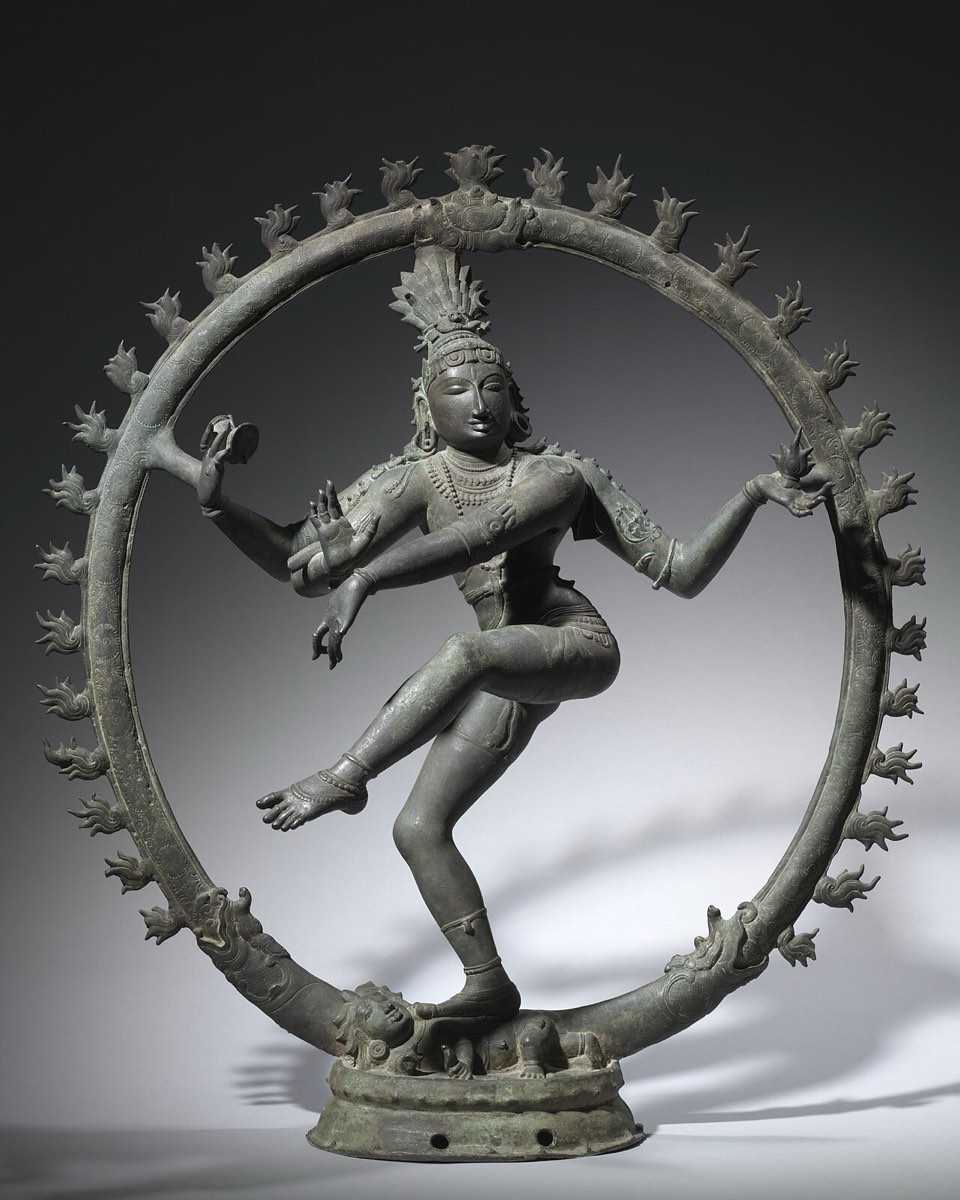 Vedanta and Yoga · VideoWhat Dies When Someone Dies? The Answer from Ramana Maharshi and Advaita Vedanta