Guide
Vedanta and Advaita: what the Upanishads and the Bhagavad Gita teach
Vedanta seeks the Self that never dies, the ātman; see where the Upanishads and the Bhagavad Gita come from, and what Śaṅkara, Ramana and Swami Dayananda taught.
5 min read · Read next, in this order
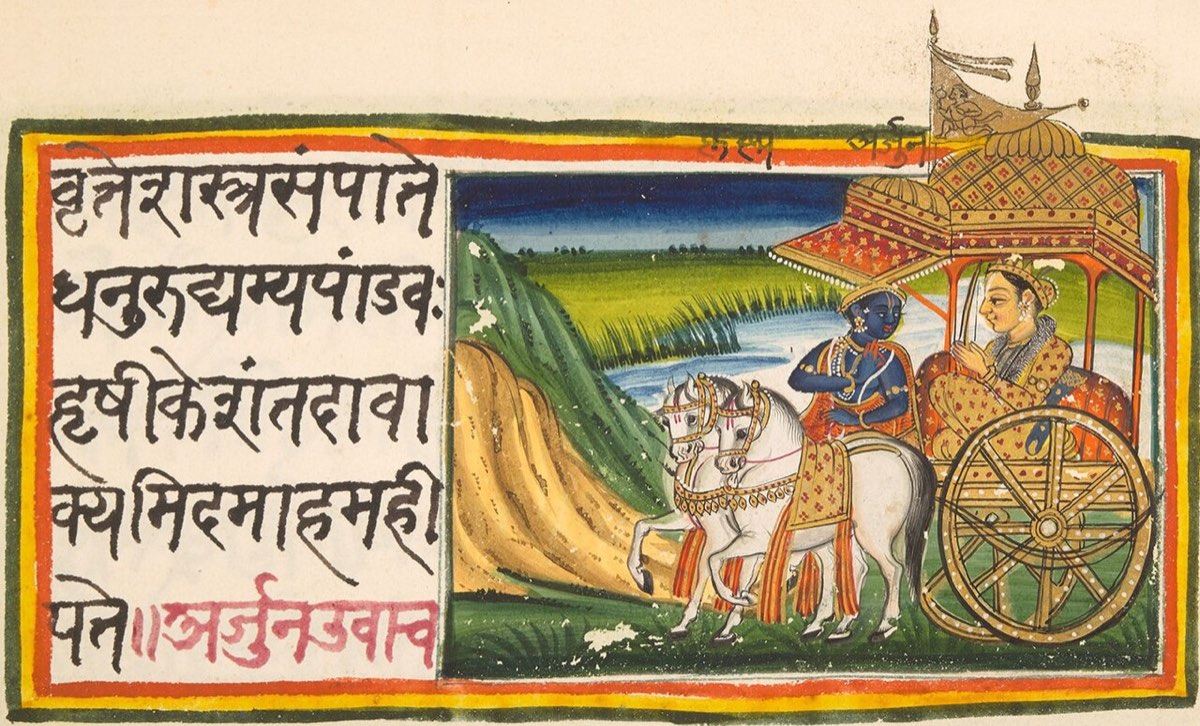
Ask a student of Vedanta what they study, and the answer is unlikely to mention temples, rituals or gods. It will be a question: what are you, underneath the body, the mind and the story you tell about yourself. That question sustains one of the oldest philosophical traditions still in continuous use in the world, with texts, schools and teachers that have crossed more than two thousand years without ceasing to be read, debated and argued over.
The word comes from the Sanskrit vedānta, "the end of the Vedas," and names both a body of texts and one of the six classical schools (darśanas) of Indian philosophy, also called Uttara Mīmāṃsā. It is not a religion with a single clergy, nor a closed system of belief: it is a method for investigating the nature of the self and of reality, resting on three foundational texts and traditionally passed from teacher to disciple. This guide explains where Vedanta comes from, what its central texts say, what changes with Śaṅkara's non-dual reading, and where the tradition still argues with itself.
Three texts, one question
Every school of Vedanta rests on the same set, called the prasthāna-trayī, "the three sources": the Upanishads, the Brahma Sūtras, which organize the Upanishads into a system, and the Bhagavad Gita. It is a shared canon, read differently by different schools, the way distinct traditions can read the same sacred text and reach different conclusions.
The Upanishads, "the end of the Vedas"
The Upanishads are the most recent layer of the Vedas, the oldest scriptures of Hinduism, and mark the turn from external ritual to philosophical inquiry: what is consciousness, what is the self, what is ultimate reality. There are said to be more than 200 texts bearing the name, but the tradition regards some ten to thirteen as principal, the ones commented on by Śaṅkara.
The typical form is a dialogue between teacher and disciple, sometimes between a young man and Death itself. That is the case of the Katha Upanishad, in which the boy Nachiketas refuses wealth and pleasure to wrest from Yama an answer about what lies beyond death: the ātman, the text says, is neither born nor dies. An overview of how these texts are organized and what they teach is in a guide dedicated to the Upanishads, and the introduction to Vedanta itself details the schools and the traditional method of study.
The Bhagavad Gita: Arjuna's dilemma
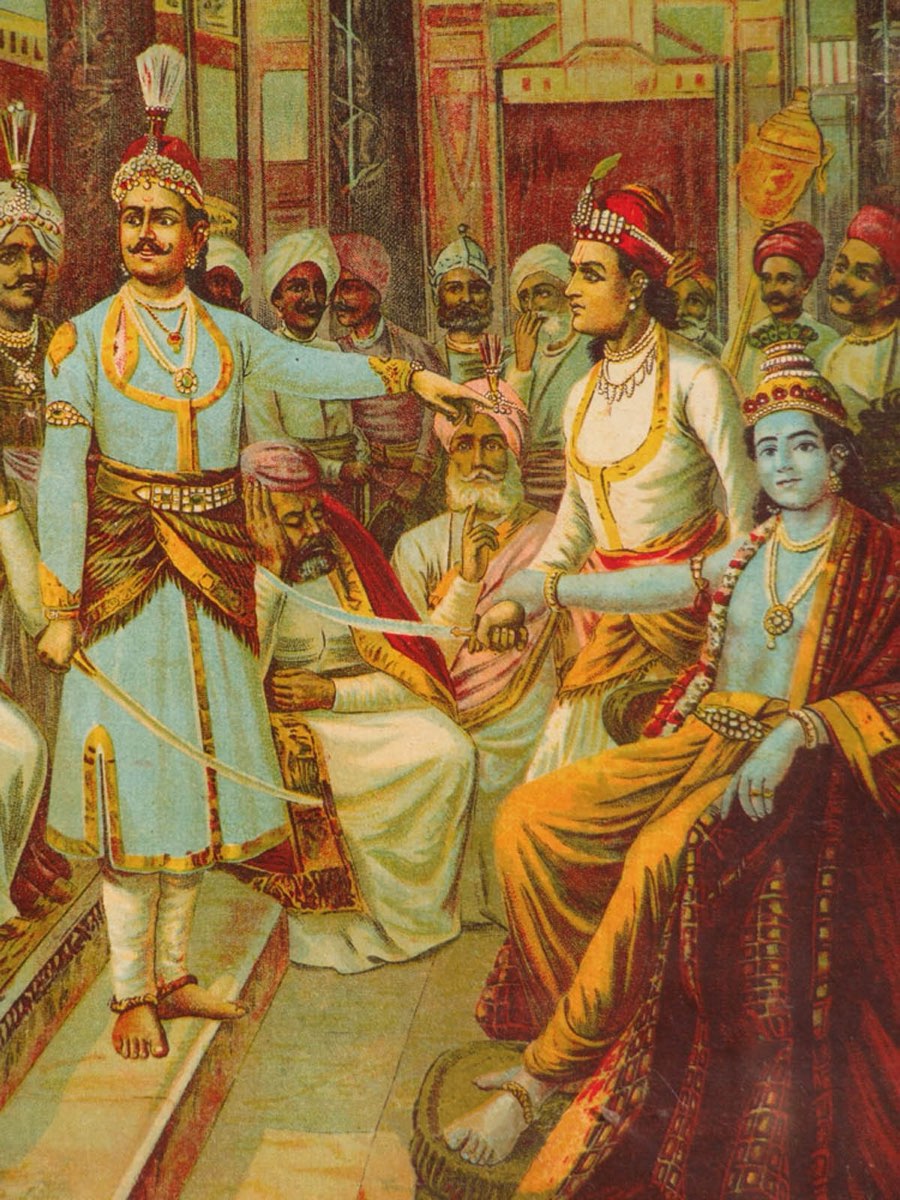
The third text of the canon is the Bhagavad Gita, some 700 verses embedded in the great epic Mahābhārata. The scene is a battlefield: the warrior Arjuna freezes and refuses to fight relatives and teachers, and Kṛṣṇa, his charioteer, who turns out to be a divine manifestation, answers with a compact course in philosophy. The central theme is how to act without being paralyzed by attachment to the outcome, what the tradition calls karma yoga, the yoga of action. The site follows the text in chapter-by-chapter study notes, based on the book by the Indian monk Swami Dayananda Saraswati, and treats separately Arjuna's dilemma and the idea of acting without attachment to the fruits of action.
Ātman, Brahman and Śaṅkara's turn
The argument running through all three texts is that there exists, in every person, a real Self, the ātman, distinct from the body, the emotions and the thoughts that rise and pass, the starting point of a Vedantic study of consciousness as essence. The question that divides the schools of Vedanta is the relationship between that individual ātman and brahman, the ultimate reality of the universe.
The most influential answer came from the monk Ādi Śaṅkara, who lived around the 8th century and became the reference point for the Advaita school, "not two": for him, ātman and brahman are, in essence, the same thing, and the sense of separation is a perceptual error to be undone through self-knowledge, not a problem to be solved with ritual. Other schools disagree: Rāmānuja's Viśiṣṭādvaita argues for a unity with internal distinctions, and Madhva's Dvaita, for a real duality between soul and the divine. The site follows this question in texts such as what Vedanta calls liberation and what Īśvara is, on how the tradition understands the idea of God without reducing it to a person in a place.
The modern teachers
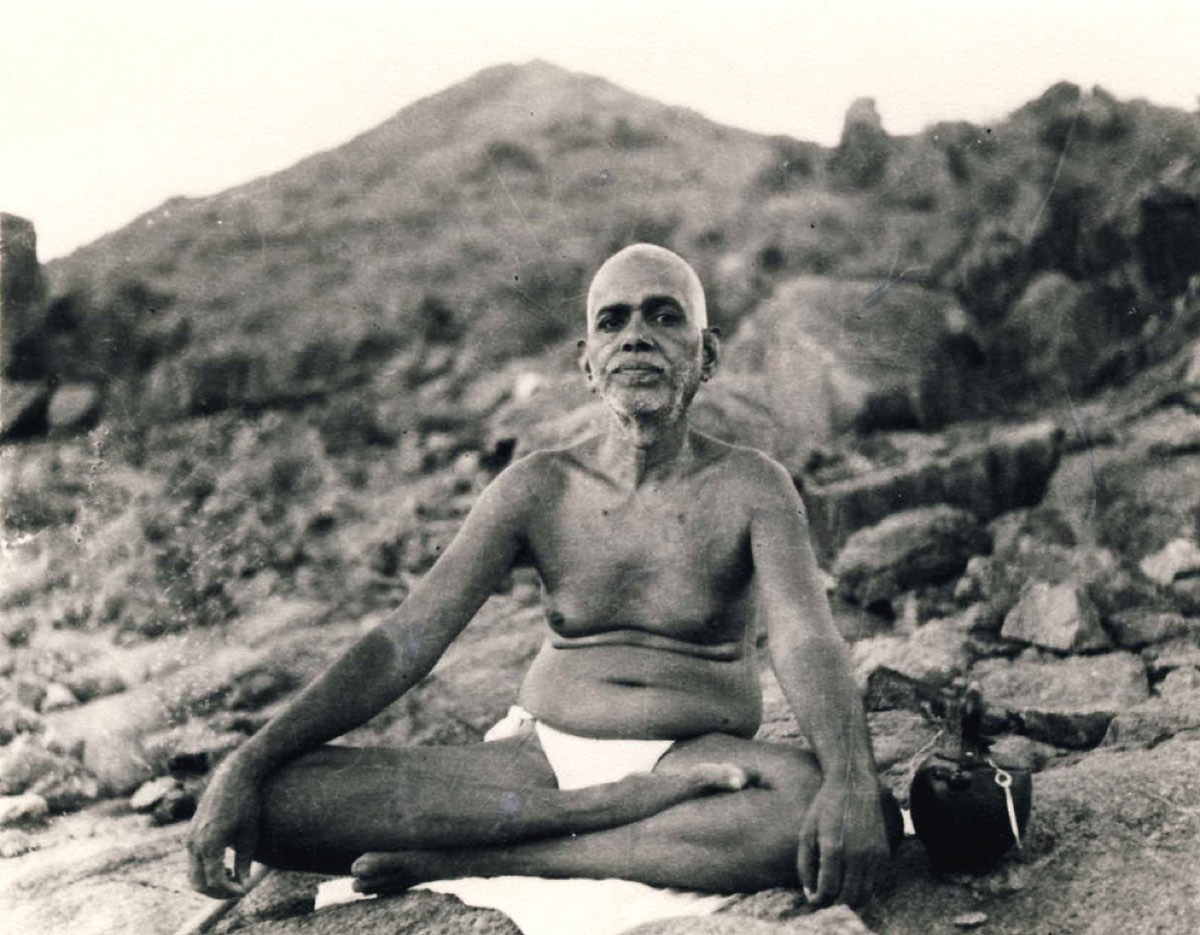
The lineage did not stop with Śaṅkara. In the 20th century, the Indian sage Ramana Maharshi (1879-1950) became a reference point beyond the academy: at 16, he went through what he described as a death experience from which emerged the awareness of his own Self, and he spent the rest of his life on the sacred mountain Arunachala, teaching a direct method, self-inquiry through the question "who am I." The first chapter of a series on his teaching explains the method.
Swami Dayananda Saraswati (1930-2015), founder of the Arsha Vidya Gurukulams in India and the United States, represents the more traditional, pedagogical line of Advaita: he taught Vedanta as a body of knowledge to be transmitted with method, not an experience to be induced. He was also the spiritual teacher of India's current prime minister, Narendra Modi, and received the Padma Bhushan, one of India's highest civilian honors, in 2016. His book on the Bhagavad Gita is the basis of the site's study notes.
Where science enters, and where to start
Vedanta also surfaces in conversations with contemporary science, especially around the so-called "hard problem of consciousness": why subjective experience exists at all, a question neuroscience has not resolved. That is what the monk Swami Sarvapriyananda discusses in a lecture covered on the site, in the dialogue between Vedanta and science on what consciousness is. The usual distance applies: it is a philosophical reading in conversation with science, not a scientific finding.
For anyone starting out, the most natural order follows the logic of the tradition itself: first a general view of Vedanta and the Upanishads, then a concrete text such as the Katha Upanishad, only then the Bhagavad Gita and the questions about the ātman, and finally the teachers who applied the method to their own lives. It is a path of study, not of belief: the tradition asks that every claim be investigated, not accepted beforehand.
Read next, in this order
1TraditionVedānta: texts, schools, and the study method of one of India's six philosophies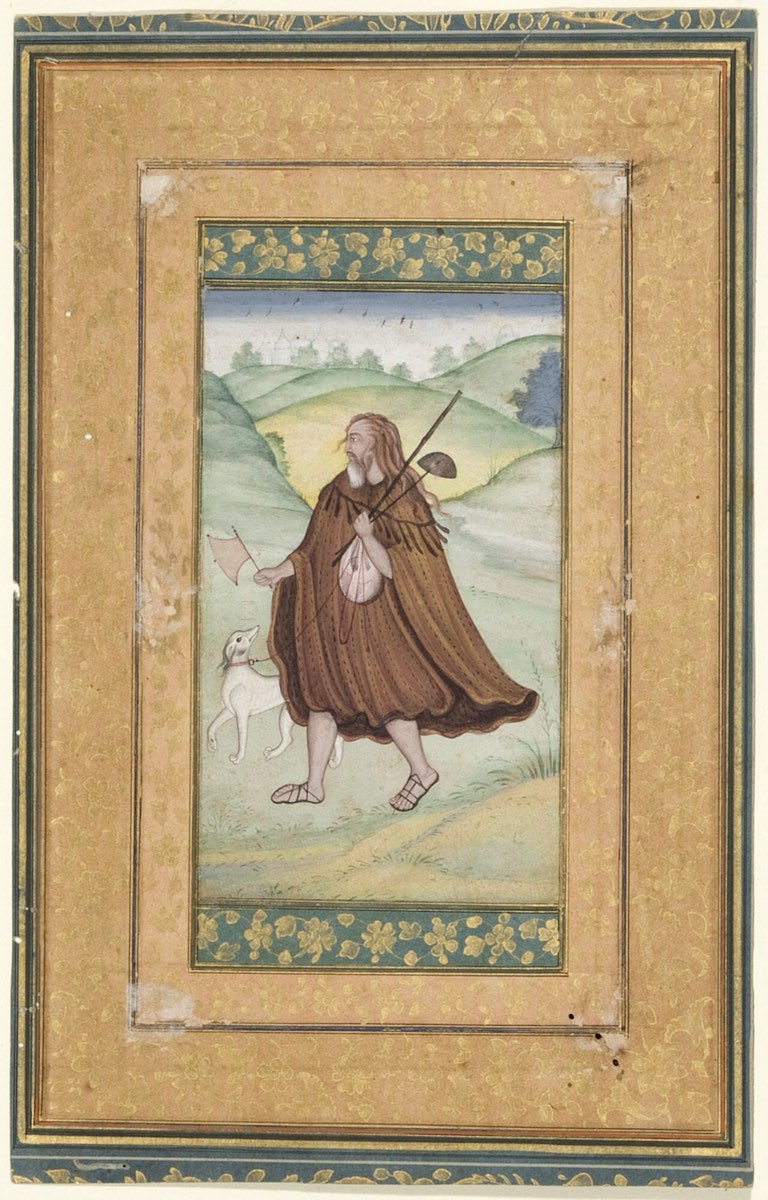 2TraditionUpanishads: what the 108 texts underlying Indian philosophy are, and what they teach
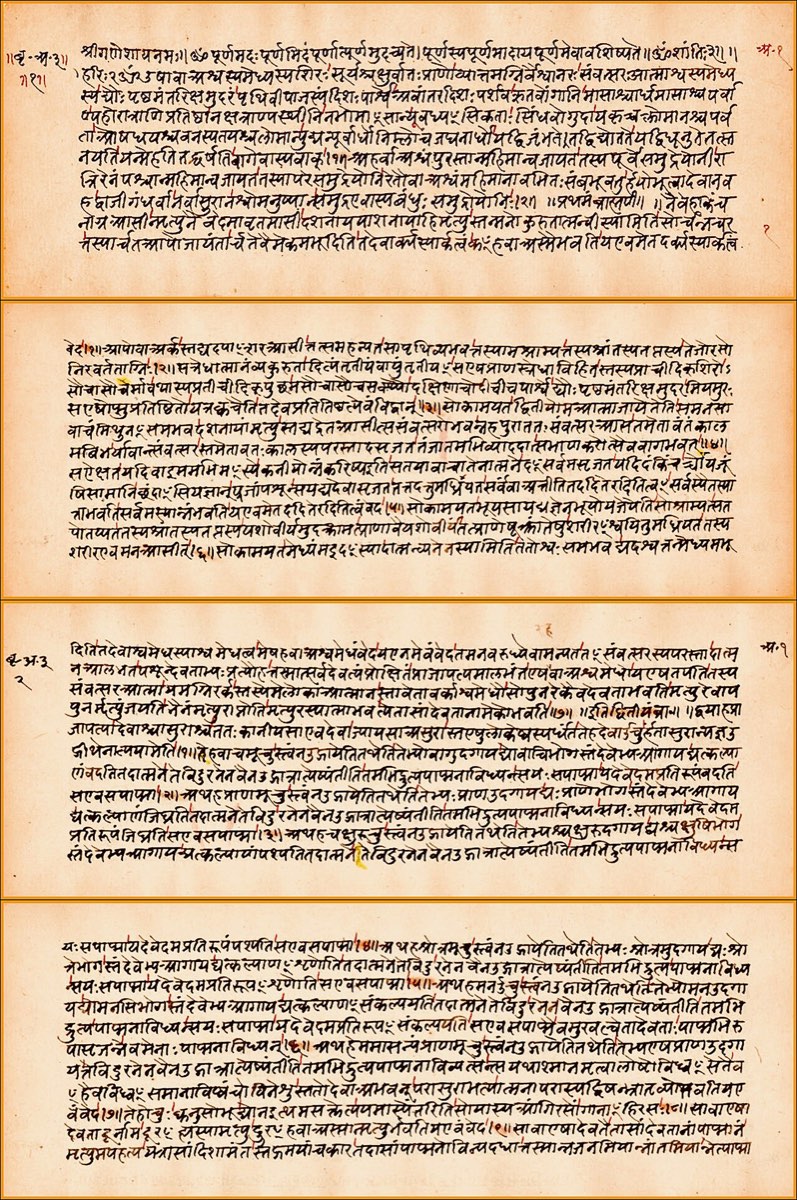 3TraditionKatha Upanishad: the young Nachiketas and the question Death tried to dodge
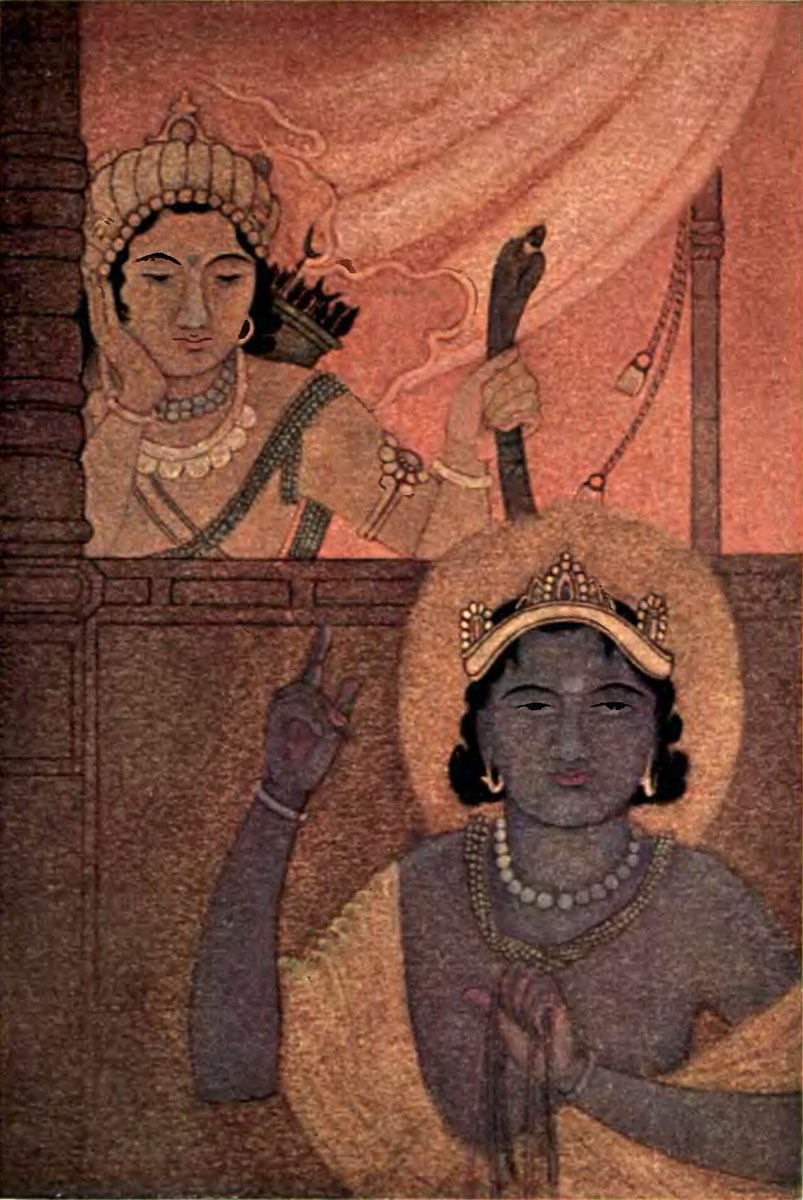 4TraditionConsciousness with a body: what Vedānta says the “self” is
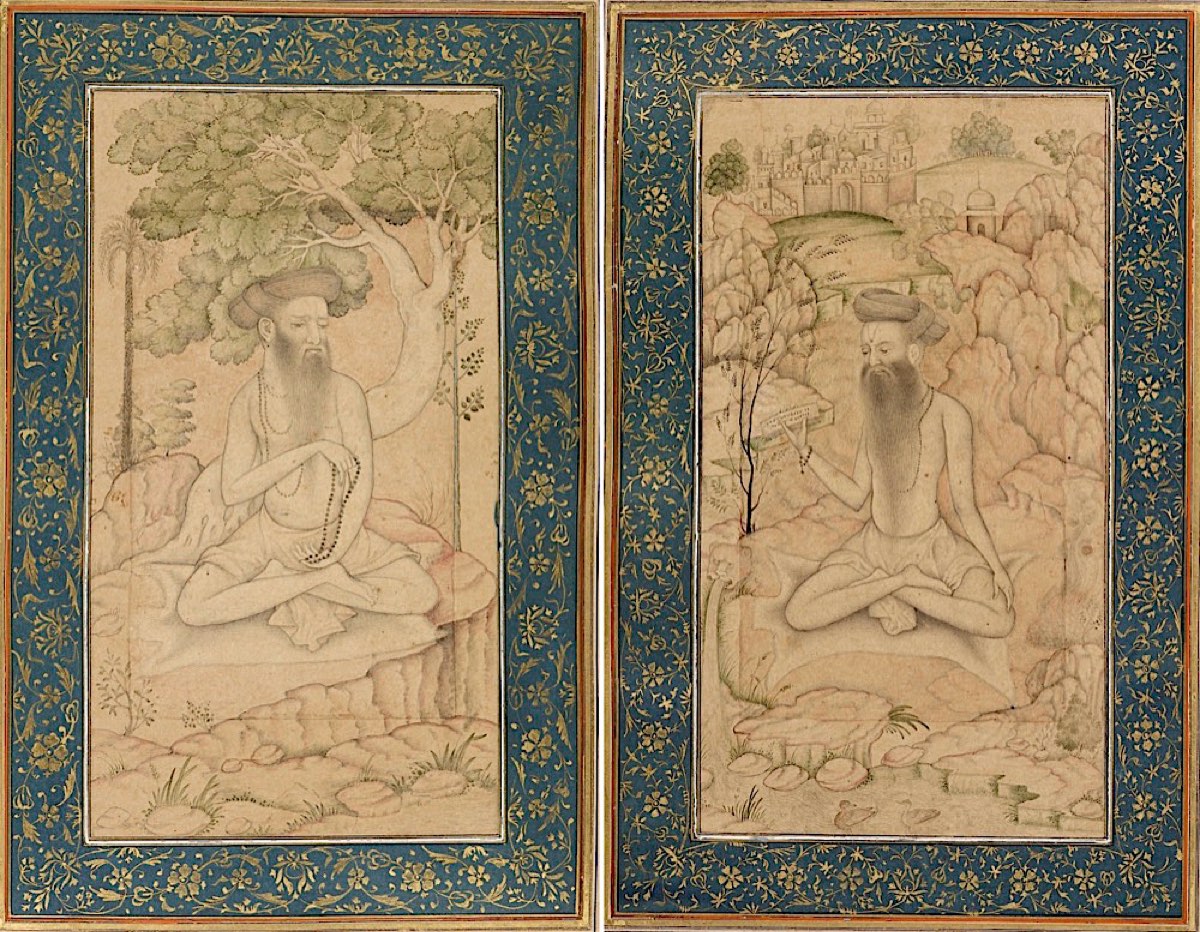 5TraditionWhat Vedanta calls liberation: recognizing the Atman, the inner self
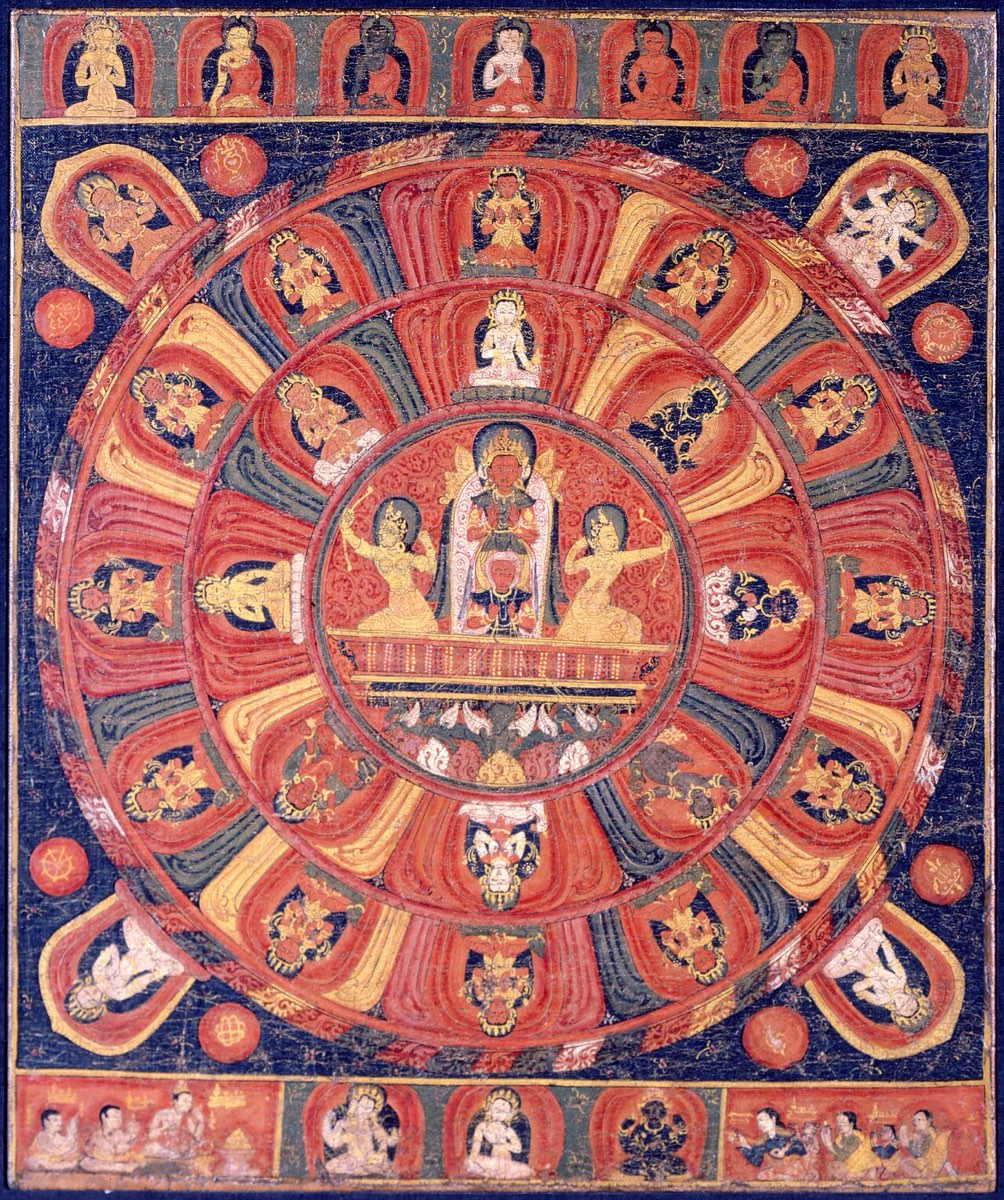 6TraditionWhat is Īśvara in Vedānta: why "where is God?" is not the right question
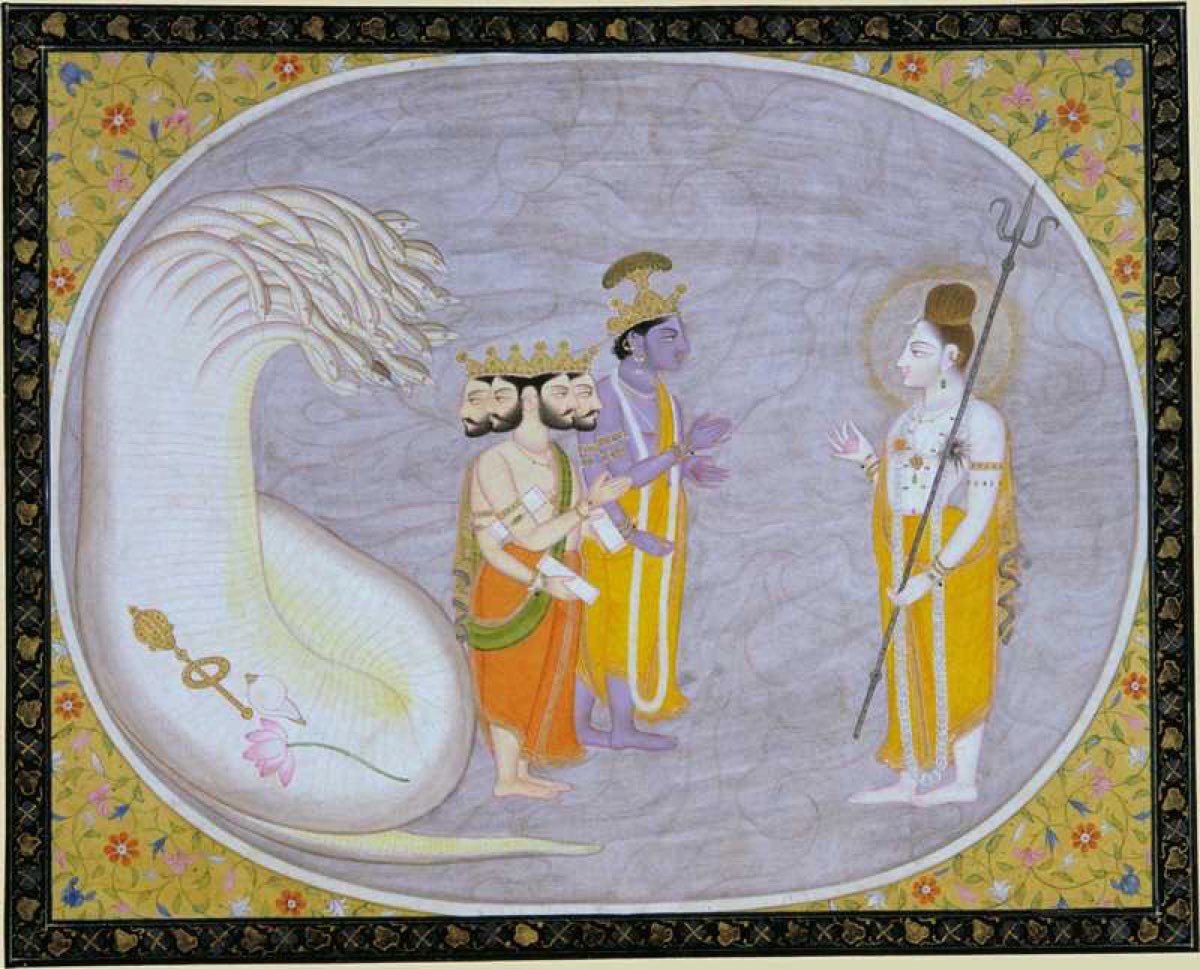 7TraditionGita, lesson 1: the text that wants to clarify, not just inform8TraditionThe inner war: what the Bhagavad Gītā says to those caught between duty and fear
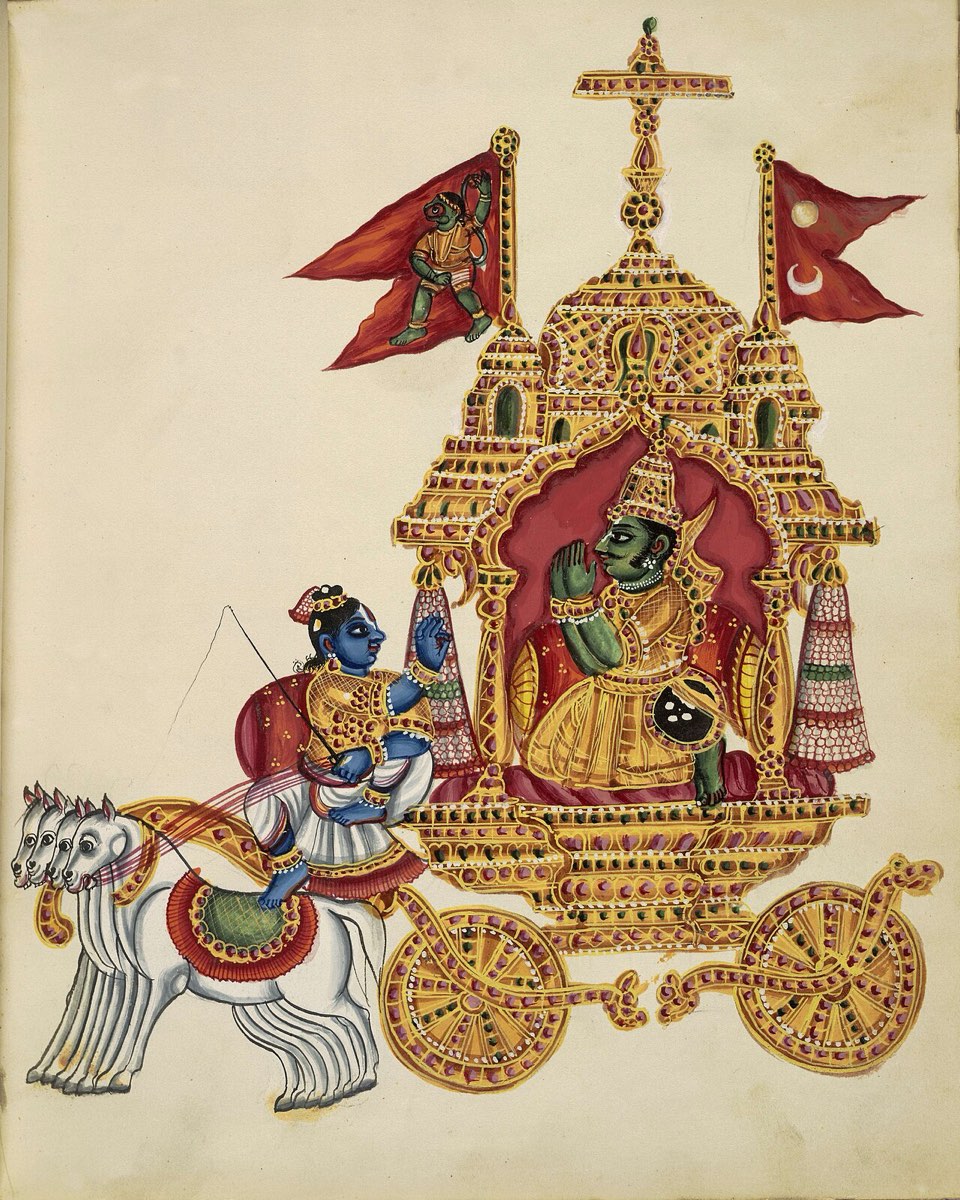 9TraditionKarma Yoga: acting without attachment to the fruits, the yoga of action
 10TraditionWhat Dies When Someone Dies? The Answer from Ramana Maharshi and Advaita Vedanta
 11TraditionWhat is consciousness? Vedanta faces off with neuroscience, physics, and AI
Frequently asked questions
What is Vedanta?
It is one of the six classical schools of Indian philosophy, based on the Upanishads, the Brahma Sūtras and the Bhagavad Gita. It investigates the nature of the self and of reality; it is not an organized religion.
What is the difference between Vedanta and Advaita Vedanta?
Vedanta is the broad tradition, with several schools. Advaita, formulated by Ādi Śaṅkara in the 8th century, is the non-dual reading: for it, the individual self and ultimate reality are, in essence, the same thing.
What are the Upanishads?
They are the most philosophical layer of the Vedas, the oldest scriptures of Hinduism, with dialogues between teacher and disciple on consciousness, death and reality. The tradition regards some ten to thirteen of them as principal.
What is the Ātman in Vedanta?
It is the real Self, distinct from the body and the mind, which the tradition describes as unborn and imperishable. Recognizing it, not acquiring it, is what the texts call liberation.
Who was Ramana Maharshi?
An Indian sage (1879-1950) who lived on the sacred mountain Arunachala and taught self-inquiry, the method of asking "who am I" until recognizing one's own Self, without relying on rituals.
Is the Bhagavad Gita part of Vedanta?
Yes, it is one of the tradition's three foundational texts, the prasthāna-trayī. In the poem, Kṛṣṇa teaches the warrior Arjuna to act without attachment to the outcome, the yoga of action, or karma yoga.