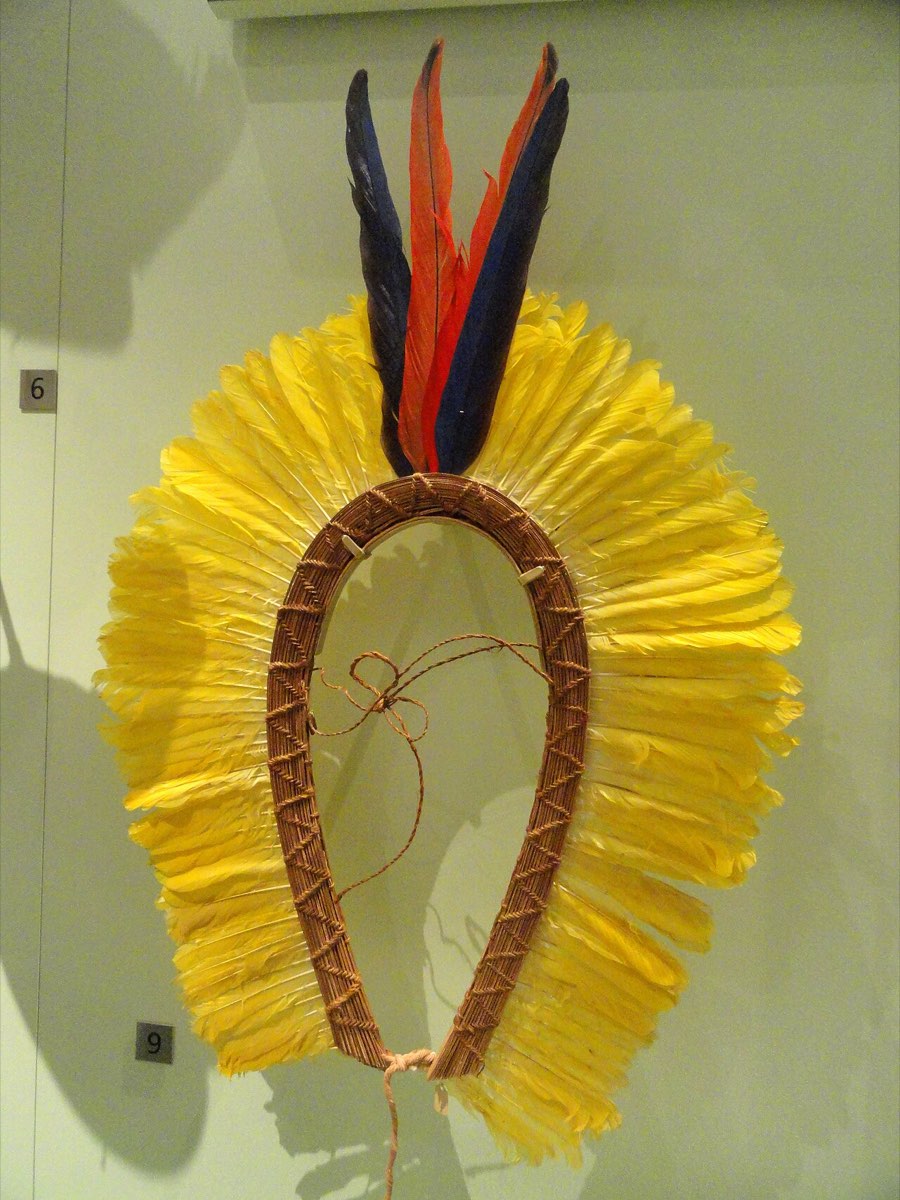
Q'eros: the Andean nation that walks 14 hours to sow dreams at Qoyllur Rit'i
A La Ventana Cine documentary follows Adrián Huamán of Peru's Q'eros nation, from life at 5,000 metres to the pilgrimage to Qoyllur Rit'i.
· 2 min read · Sources
Source video
SLICE Iberia · “Q’eros: Una Peregrinación Sagrada A 5.000 Metros En Los Andes | SLICE Iberia | DOCUMENTAL COMPLETO”
More videos and documentaries in the Videos tabIn 1 minute
- The film follows Adrián Huamán, a young man from the Q'eros nation, a Quechua community in Cusco that describes itself as descended from the Incas.
- It shows the belief that mountains, lakes and stones have spirit, the role of the coca leaf and of healers, and the yearly pilgrimage to the Qoyllur Rit'i glacier.
- For the Q'eros, the glacier is a source of water and life; Adrián says that if it disappears, his people's culture will end with it.
Full article
To reach the foot of the glacier, the Q'eros walk for 14 hours above 4,000 metres, in the cold and short of oxygen. They carry a dance rehearsed for weeks and a request. They do not go to pray for themselves, says Adrián Huamán, but to "sow dreams": that the animals multiply, that the house gets finished, that the world treats Mother Earth better.
The film is the first episode of the series Secreto Ancestral: guardianes de la medicina indígena, produced in 2021 by the Chilean company La Ventana Cine and directed by Jota Loyola Crovetto. It reaches YouTube under licence through the SLICE Iberia channel, owned by the French producer and distributor ZED.
A people high in the Andes
The Q'eros nation lives in the province of Paucartambo, in the Cusco region, and numbers about 3,000 people in five communities, according to Adrián. The narration presents them as heirs of the Incas who climbed the mountain to escape the Spanish conquest. Adrián is the son of a healer and explains the division between the pampa misayoq, who heals with the power of the earth, and the alto misayoq, said to hold the power of the sky. For his people, everything has spirit: the stone, the lake, the mountain.
The messenger
The film's thread is Adrián's life. At nine he went down to Cusco to study without speaking Spanish, and was beaten and insulted by classmates before making friends through football. Today he calls himself a messenger between his community and the West. The film takes him to the Elqui Valley, in Chile, for a ceremony of Indigenous peoples during a total solar eclipse, and shows the k'intu, the exchange of three coca leaves with good wishes breathed onto them, and the women's weavings, which he prefers to call altars.
Qoyllur Rit'i
The pilgrimage to the sanctuary of the Lord of Qoyllur Rit'i, on the slopes of Ausangate, draws thousands of devotees from many Andean nations every year, and in 2011 UNESCO inscribed it on its list of the intangible cultural heritage of humanity. The Q'eros perform the Wayri Ch'unchu, a tribute to the forest peoples who grow coca. The apus, the sacred mountains, keep the water in the glaciers. "If this glacier disappears, I think the culture of the Q'eros is over," Adrián says.
Why watch
The Inca origin and the healers' powers are oral tradition, told by the Q'eros themselves. The film's value lies in letting them speak, in their own words and their own landscape, and in showing that for them the climate crisis is no abstraction: it is the ice their water comes from.
Sources and references for this article
Q’eros: Una Peregrinación Sagrada A 5.000 Metros En Los Andes | SLICE Iberia | DOCUMENTAL COMPLETO. SLICE Iberia, YouTube, 5 Mar 2026Quyllurit'i, Spanish WikipediaQ'ero, WikipediaGet the best articles of the week
One email a week, no spam. Unsubscribe anytime.
Read next
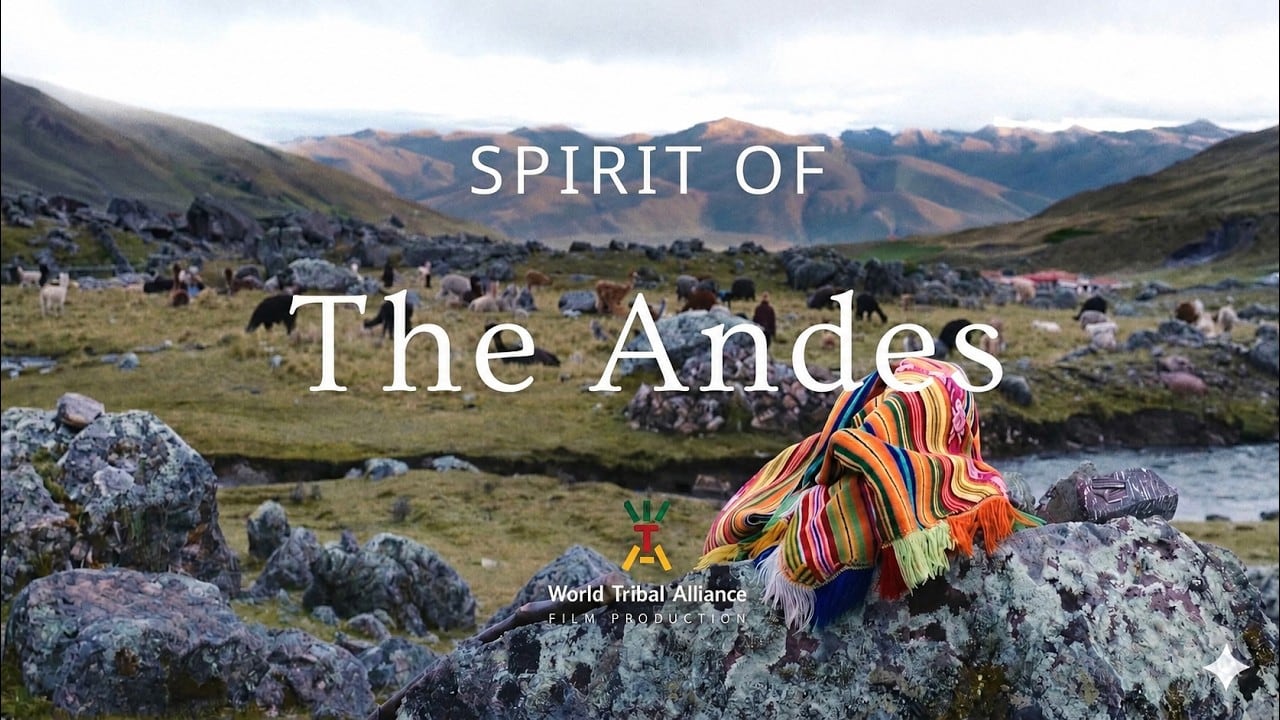 Indigenous peoples · VideoA Quechua guardian from Cusco argues rivers and rocks should be treated as rights-holders
 Indigenous peoples · VideoMatías De Stefano argues humanity has lost sync with Earth's time
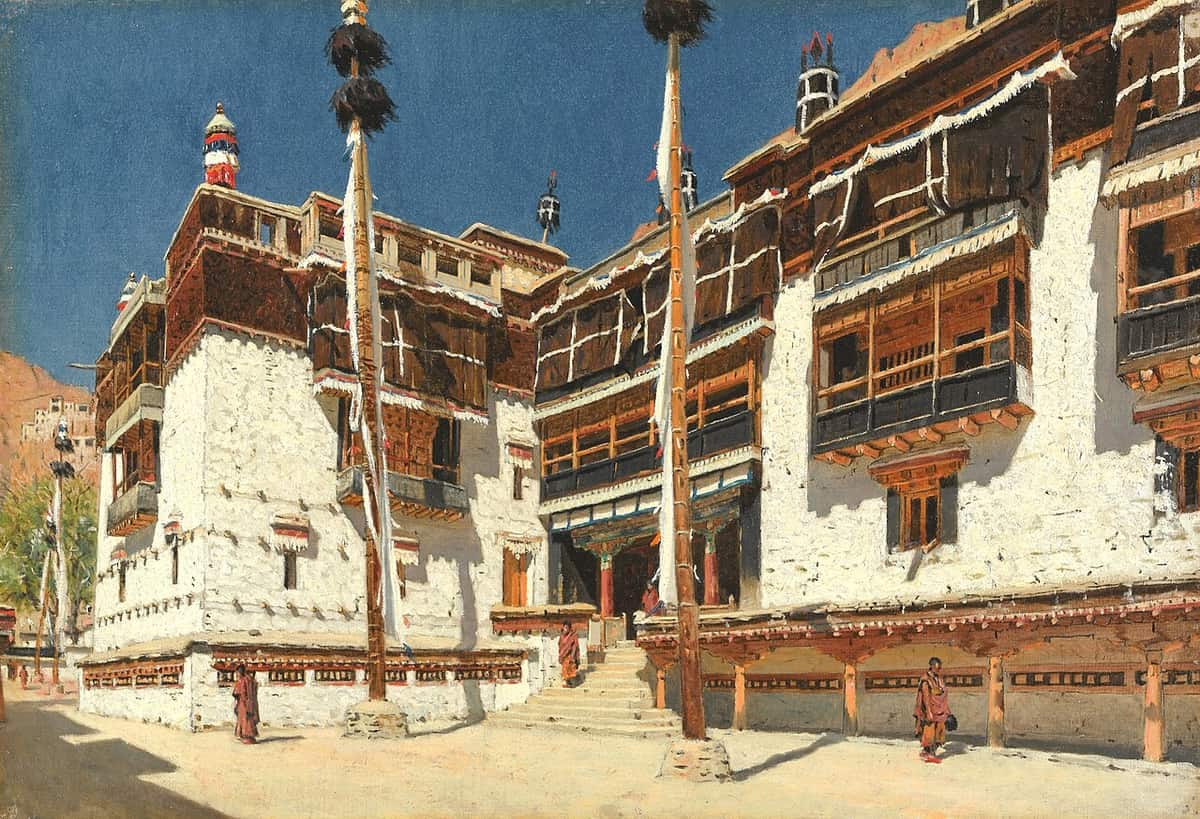
 The East · VideoUrgan, the boy monk of the Himalaya: documentary follows a nine-year-old's journey to the monastery
 The East · VideoMotions of the Tao: ritual, meditation and tai chi as paths of Taoism
 Indigenous peoples · VideoKamukuwaká: the sacred cave of the Xingu, destroyed and rebuilt at full scale