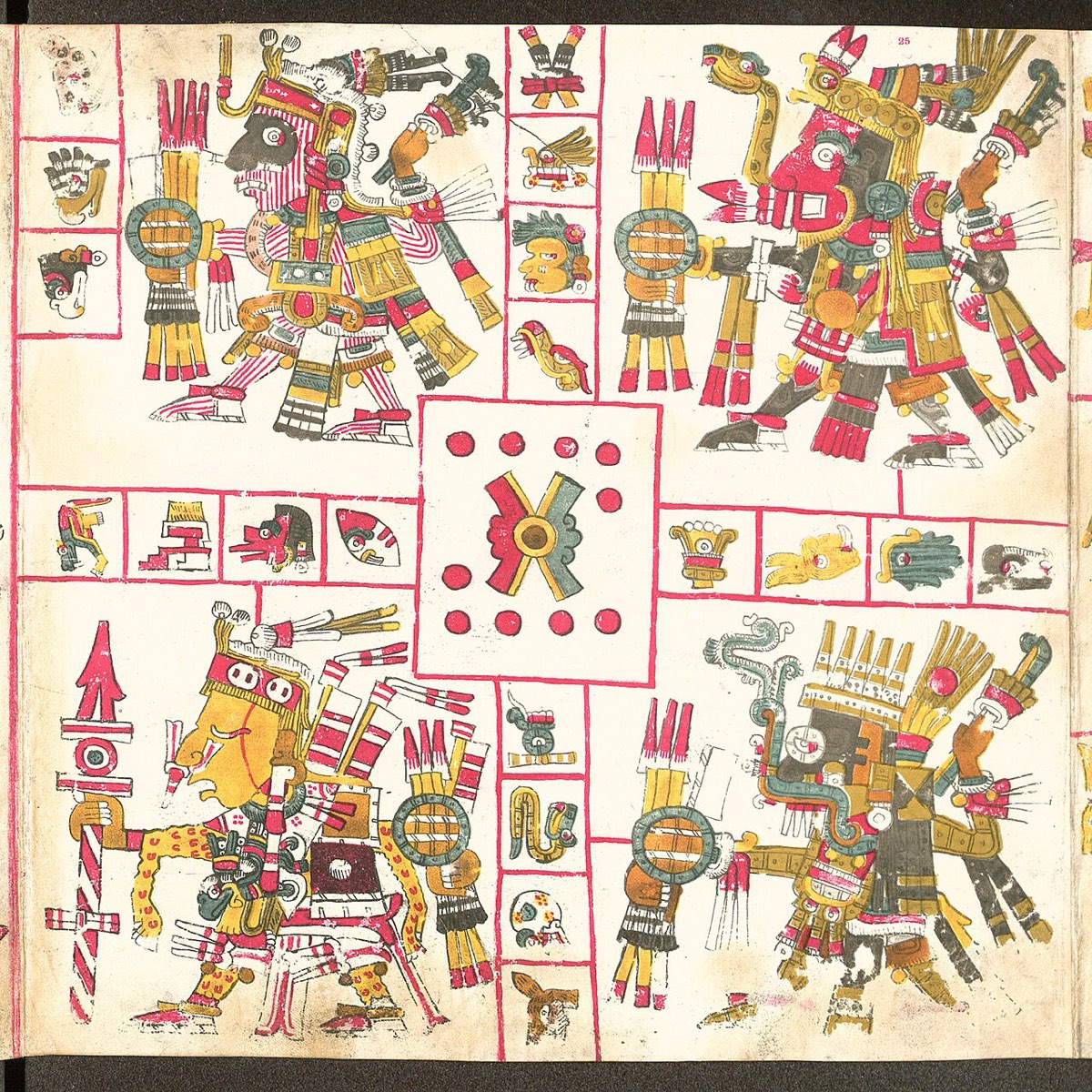
Kamukuwaká: the sacred cave of the Xingu, destroyed and rebuilt at full scale
A TV Cultura documentary tells how the Wauja's sacred cave, left outside the Xingu park, was vandalized and returned to the village as a replica made in Spain.
· 2 min read · Sources
Source video
Jornalismo TV Cultura · “KAMUKUWAKÁ – A Gruta Sagrada do Xingu | Documentário inédito da TV Cultura”
More videos and documentaries in the Videos tabIn 1 minute
- The Kamukuwaká cave, sacred to the Wauja and linked to the ear-piercing ritual, was left out of the Xingu demarcation in 1961 and ended up on private farmland.
- Listed as heritage in 2010, it had its nearly thousand-year-old engravings destroyed in 2018; a 6-meter replica made in Spain was installed in an Upper Xingu village.
- The documentary ties the case to fire, drought and the route of the BR-242 highway, which, after consultation with Indigenous peoples, is set to pass 14 km from the cave.
Full article
The day the cave came home began with the chief's song, skin painted with annatto and genipap, and flutes sounding in the center of the village in the Upper Xingu. What arrived was not the original rock but a copy 6 meters high and weighing a ton, sculpted in Spain, shipped to the port of Santos and trucked across Brazil to the Indigenous territory.
Kamukuwaká – A Gruta Sagrada do Xingu (The Sacred Cave of the Xingu), a 55-minute documentary by TV Cultura's news department, reported by Laís Duarte and Adriano Tavares, tells how a people lost and recovered part of its memory.
A book in stone
For the Wauja, an Arawak-speaking people of the southern Xingu, the cave is the home of Kamukuwaká, a chief whose dwelling, in the traditional account, was turned to stone by the Sun after a quarrel between them. It was there that the ear-piercing ceremony took place, a rite of passage for boys destined for leadership, later adopted by other peoples of the region. The engravings on its walls held some thousand years of history of a people with an oral tradition, and their designs still inspire body painting and crafts.
Outside the line
When the Xingu Park was created in 1961, the first demarcated Indigenous territory in the country, much of its border was drawn overland rather than along rivers, on criteria more political than cultural. The cave was left outside and, as farmland advanced, ended up on a rural property more than 30 km from the Indigenous land. It was listed by the national heritage institute, Iphan, in 2010, but that did not prevent the engravings from being torn away in 2018. Those responsible were never identified. Working with the British NGO People's Palace Projects, Spain's Factum Foundation used images made before the attack and the memory of the elders to rebuild the cave at full scale.
The territory around it
The film opens out to today's Xingu, with archive footage of the Villas-Bôas brothers and of reporting by Washington Novaes. The Wauja monitor their territory by satellite against fire and invasions, and describe crops lost to drought and medicinal plants that can no longer be found. The expansion of the BR-242 highway threatened to run past the cave; after consultation with Indigenous peoples, the new route is planned to keep a distance of 14 km.
One of the leaders sums up the meaning of the celebration: "Do you think we are not human? We too have a history to tell."
Why watch
It is patient journalism that treats Indigenous culture as national heritage rather than folklore, and shows the cost of leaving a sacred place on the wrong side of a line on the map.
Sources and references for this article
KAMUKUWAKÁ – A Gruta Sagrada do Xingu | Documentário inédito da TV Cultura. Jornalismo TV Cultura, YouTube, 8 May 2025The Sacred Cave of Kamukuwaká, Factum FoundationUaurás (Wauja), Wikipedia (in Portuguese)Xingu Indigenous Park, Wikipedia (in Portuguese)Get the best articles of the week
One email a week, no spam. Unsubscribe anytime.
Read next
 Indigenous peoples · VideoVoices of the Grandmothers: Indigenous elders on song, grief and caring for the Earth
 Indigenous peoples · VideoSpirit of the Andes: the documentary that takes Andean elders from Machu Picchu to Ausangate
 The East · VideoUrgan, the boy monk of the Himalaya: documentary follows a nine-year-old's journey to the monastery
 The East · VideoMotions of the Tao: ritual, meditation and tai chi as paths of Taoism
 Indigenous peoples · VideoShamanism in Mexico: city dwellers who took up the path, and a warning from anthropologists