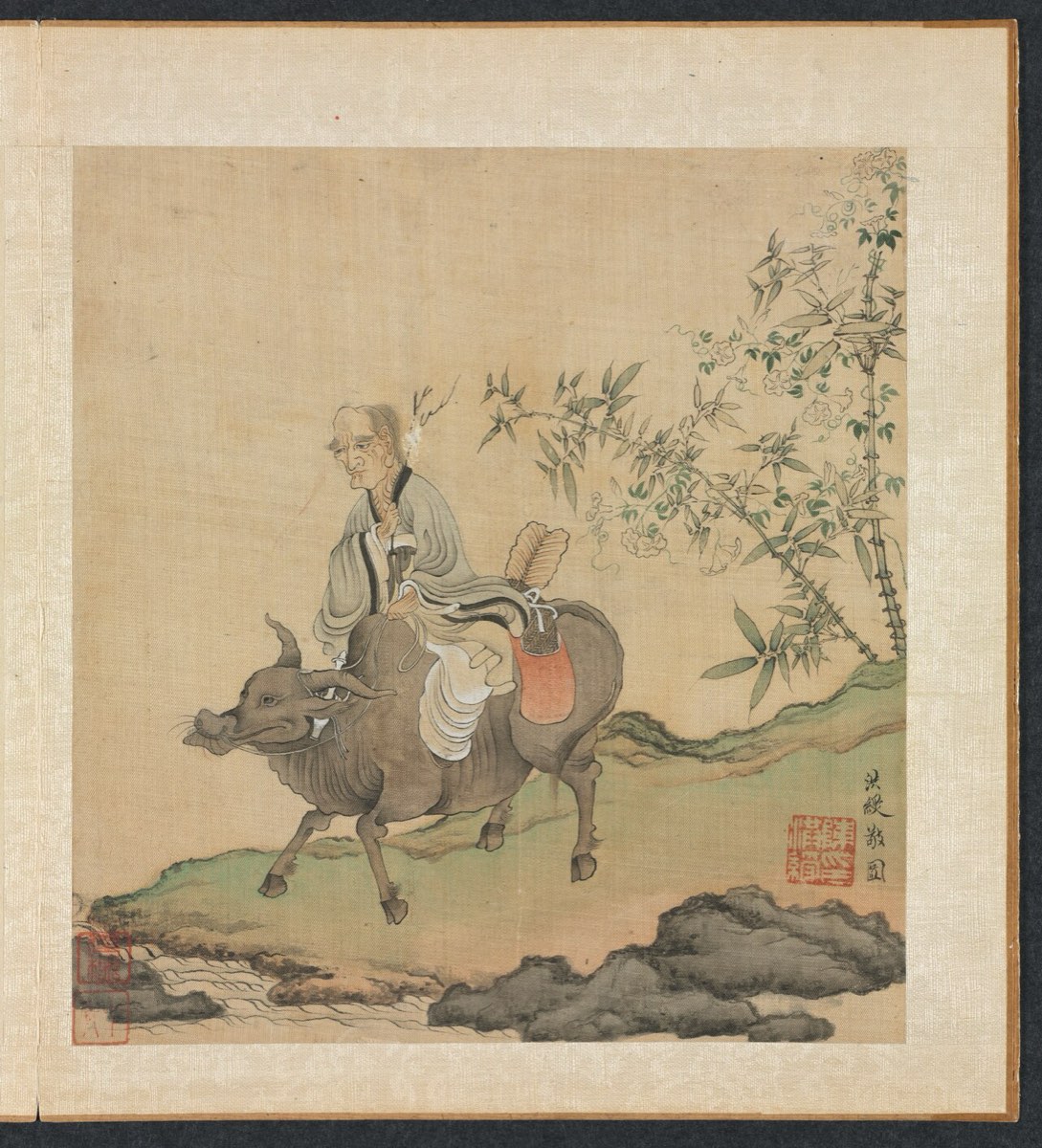
Portraits of Faith: Brazilian Taoism, between tai chi, the altar and meditation
A TV Cultura episode hears Taoist leader Wagner Canalonga and future priest André Lacroce on the philosophy, arts and religion of the Tao.
· 2 min read · Sources
Source video
TV Cultura · “Taoísmo | Retratos de Fé”
More videos and documentaries in the Videos tabIn 1 minute
- The Taoism episode of Retratos de Fé (Portraits of Faith), a TV Cultura series, runs 26 minutes and takes viewers inside a Brazilian Taoist community.
- Leader Wagner Canalonga presents the tradition's three pillars: a philosophy grounded in observing nature, the arts of wisdom and the religious vision.
- Practitioners say they came through tai chi and health practices and stayed for kindness, simplicity and humility.
Full article
For many Brazilians, Taoism begins in the park, in a tai chi chuan class, or in an acupuncturist's office. The Taoism episode of Retratos de Fé (Portraits of Faith), a documentary series from Brazilian public broadcaster TV Cultura, shows that for followers of the tradition these are only the most visible branches of a tree rooted in philosophy, ritual and meditation.
Over 26 minutes, the program hears Taoist leader Wagner Canalonga, future priest André Lacroce and practitioners who sought out the tradition for reasons of health or spiritual search. One of the interviewees, baptized into a Catholic family, says he discovered Taoism at 15 and became a Taoist in 2005.
Three pillars
Canalonga organizes Taoism into three layers. The first is philosophical and grows out of observing nature: everything changes through the interplay of two complementary forces, yin and yang, and the Tao is the origin of all things, something like a primordial chaos. The second gathers the arts of wisdom, techniques for living in harmony with that nature. The third is religious, with deities, consecrated altars and offerings of incense, grain and tea. The program shows that this devotional side, little known in the West, is central for practitioners.
Arts of the body, of destiny and of the spirit
The range of practices is wide: oracles such as the I Ching, feng shui, chants and mantras, martial arts, breathing exercises to cultivate inner energy and different kinds of meditation. Chinese medicine, with acupuncture, herbs and massage, is also presented as part of the tradition. On the highest horizon lies inner alchemy, through which, in Taoist belief, a practitioner could form a spirit that does not disperse at death.
What to keep in mind
The episode gives voice only to practitioners, and some claims call for caution. The tradition is described as 4,000 or 5,000 years old; the oldest manuscripts of the Tao Te Ching, Taoism's central text, date from the late fourth century BC. The ideas about immortality and the power of talismans belong to Taoist faith, and the effectiveness of the health practices is not discussed.
Why watch
Because it dispels the image of Taoism as a mere philosophy of pretty sayings and shows a living tradition in Brazil, with its rituals and its ethics. The three virtues practitioners keep returning to, kindness, simplicity and humility, capture the episode's tone well. To go further: ten lessons from Taoism on living without forcing life's rhythm.
Sources and references for this article
Taoísmo | Retratos de Fé. TV Cultura, YouTube, 18 Nov 2019Taoism, WikipediaGet the best articles of the week
One email a week, no spam. Unsubscribe anytime.
Read next
 The East · VideoPortraits of Faith: the daily life of Zen Buddhist monks and practitioners in Brazil
 The East · VideoMexican Buddhists: how pain leads converts to meditation in a Catholic country
 Vedanta and Yoga · VideoSamadhi, Part 2: the film that seeks the truth all traditions share, beyond thought
 Science and consciousness · VideoYoga and meditation in Brazil's public health system: a Fiocruz documentary from Maré to Inca
 The East · VideoTen lessons from Taoism on living without forcing life's rhythm