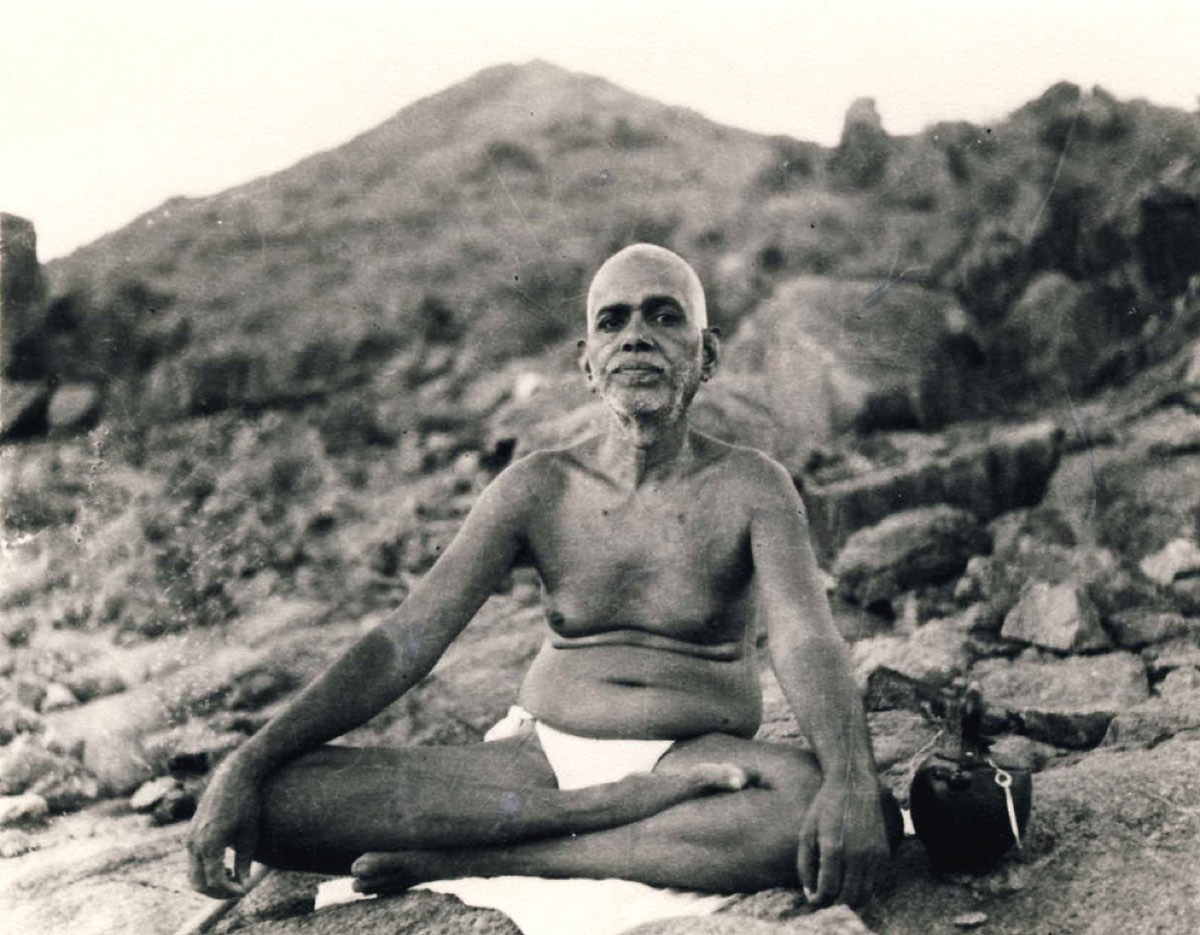
Karma Yoga: acting without attachment to the fruits, the yoga of action
Karma Yoga proposes turning work into a spiritual path by acting without attachment to the fruits; the tradition sees in action and the law of karma what binds or frees.
· 3 min read · Sources

In 1 minute
- Karma Yoga is the path of action without attachment to the fruits, one of the four great schools of traditional yoga.
- Karma is described as a law of action and reaction, not as punishment, and both good and bad karma would keep the spirit in the cycle of rebirths.
- The central teaching is that the true doer is the divine, and the ego, by claiming ownership of actions, binds the person; daily practice is what counts.
Full article
Many people already practice Karma Yoga without knowing it. Someone who works with dedication and does not cling to the outcome, for instance, is doing something very close to it. The idea is ancient and carries an unsettling consequence: according to the Indian tradition, not only bad deeds bind a person to a cycle of consequences, but good ones too, when practiced with attachment.
Karma Yoga, the "yoga of action," is one of the four great schools of traditional yoga. It is defined as the integration, through dedication, of all actions and their fruits into the divine, keeping one's balance in the face of success or failure. A video lesson from a Loja Liberdade workshop, whose speaker is not identified in the source, offers a good summary of what the tradition says, and the points below follow from it.
The yoga of action
While Bhakti Yoga is grounded in devotion, Jnana Yoga in knowledge, and Raja Yoga in control of the mind, Karma Yoga focuses on conscious action, without attachment to the fruits. The purpose is to turn work and everyday tasks into a path of spiritual evolution and of reunion with the divine.
For the speaker, all paths lead to the same end, union with the divine, and each person tends to identify more with one of them, according to their nature. In the formulation of Swami Sivananda, a modern master, karma yoga is selfless service to humanity, which prepares the heart and mind to receive self-knowledge.
Karma is not punishment
The word, in Sanskrit, means action and also its effect. In religions of Indian origin, it designates a principle of cause and effect by which a person's intentions and actions influence their future. The speaker corrects a common Western association: karma would not be punishment. In his words: "Karma is not punishment. It is simply action and reaction." Everything one does, thinks or feels generates consequences that return, in this life or in others.
There is a surprising detail. Both positive and negative action generate karma. So-called good karma binds just as much as bad karma, because both keep the spirit in the cycle of rebirths, samsara, bound to reap what it has sown.
Who really acts
The deepest reflection concerns who actually does the work. We believe ourselves to be the authors of our actions, but every gesture depends on a web of factors, from the sun and the earth to other people. Hence the conclusion: the true doer is the divine, and we are instruments.
Whoever acts with that awareness would stop generating karma. What binds is the ego, when it says "I did it," "I achieved it." The path of liberation, therefore, is to act without attachment to the result and to surrender the fruits to God. The ego, which the speaker calls the great "trouble" of the human phase, appropriates divine energies for personal ends and produces imbalance. Dissolving that identification is the goal of Karma Yoga. The tradition adds that the practice frees one from fear and grief, and asks the practitioner to let go of ambition, desire, anger and selfishness.
Personality, soul and spirit
The lesson presents a spiritualist view of the human being in three layers. The personality brings together body, emotions and thoughts, and disappears with death. The soul is the vehicle of experiences accumulated across several lives and is subject to the law of karma. The spirit is the divine, eternal essence, which never becomes bound by karma.
Evolution would mean shifting identification from the personality to the soul, and finally to the spirit. Once it has absorbed all the necessary experiences, it no longer needs to reincarnate and returns to unity with the divine. These are beliefs of the tradition, not scientific claims.
Spirituality is practice
The final lesson is that spirituality is not theoretical knowledge. It is lived in every action and relationship, at work, in the family and in society. Without lived practice, the speaker says, it would be a waste of time; what matters is awakening to the idea that we are spirits and acting accordingly.
To go deeper, he recommends Karma Yoga, by Swami Vivekananda, and the study of the Bhagavad Gītā. What the path promises is the most direct way to break free from the cycle of karma and return to unity with God, through conscious action, detachment and surrender. What remains is the practical question of how much of what one does on an ordinary day is done for oneself, and how much is, in fact, service.
Source video
Sources and references for this article
Lesson 1 – Karma Yoga, Loja Liberdade workshop (YouTube)Karma yoga, Wikipedia (definition and practice)Karma, WikipediaTranslated from Portuguese. This article was rewritten from a post on the original blog, in Portuguese. Read the original
Read next
 Vedanta and YogaVedānta: texts, schools, and the study method of one of India's six philosophies
 Vedanta and Yoga · VideoDissolving the mind: what Vedānta means by freeing oneself from thought
 Science and consciousnessVedānta and quantum physics: what the observer has to do with reality
 Western esotericismGnosticism: origins, schools, texts, and what survived the repression
 Vedanta and Yoga · VideoWhat Dies When Someone Dies? The Answer from Ramana Maharshi and Advaita Vedanta