Blessed are the pure in heart: purity as intention, not ritual
Kardec reads the beatitude of the pure in heart as an ethics of intention: purity is direction and sincere choice, not the absence of error.
· 3 min read · Sources

In 1 minute
- Kardec defines the pure in heart as someone with right intention and humility who refuses evil even in thought, despite carrying flaws.
- For the doctrine, fault already exists in thought, and a religion of outward gestures changes no one; Jesus, in this reading, meant uprooting pride, not the eye.
- Reincarnation, the action of Spirits and the origin of blindness are Spiritist beliefs, without scientific proof.
Full article
"Blessed are the pure in heart, for they shall see God." The line, attributed to Jesus in the Gospel of Matthew, is usually read as praise for innocence. In chapter 8 of The Gospel According to Spiritism, Allan Kardec proposes another reading: purity, here, is a quality of those who choose, not of those who have never erred.
Spiritism is the doctrine Kardec systematized in the 19th century, based on messages he attributed to Spirits. The explanations about reincarnation, the action of Spirits and the origin of blindness belong to Spiritist belief and have no scientific proof.
Who is pure in heart
According to the chapter, the pure in heart is someone with right intentions, simplicity, humility and no trace of pride or selfishness. Such a person may carry flaws accumulated across past lives, in the Spiritist view. What defines them is the sincere decision to seek good and refuse evil, even in thought.
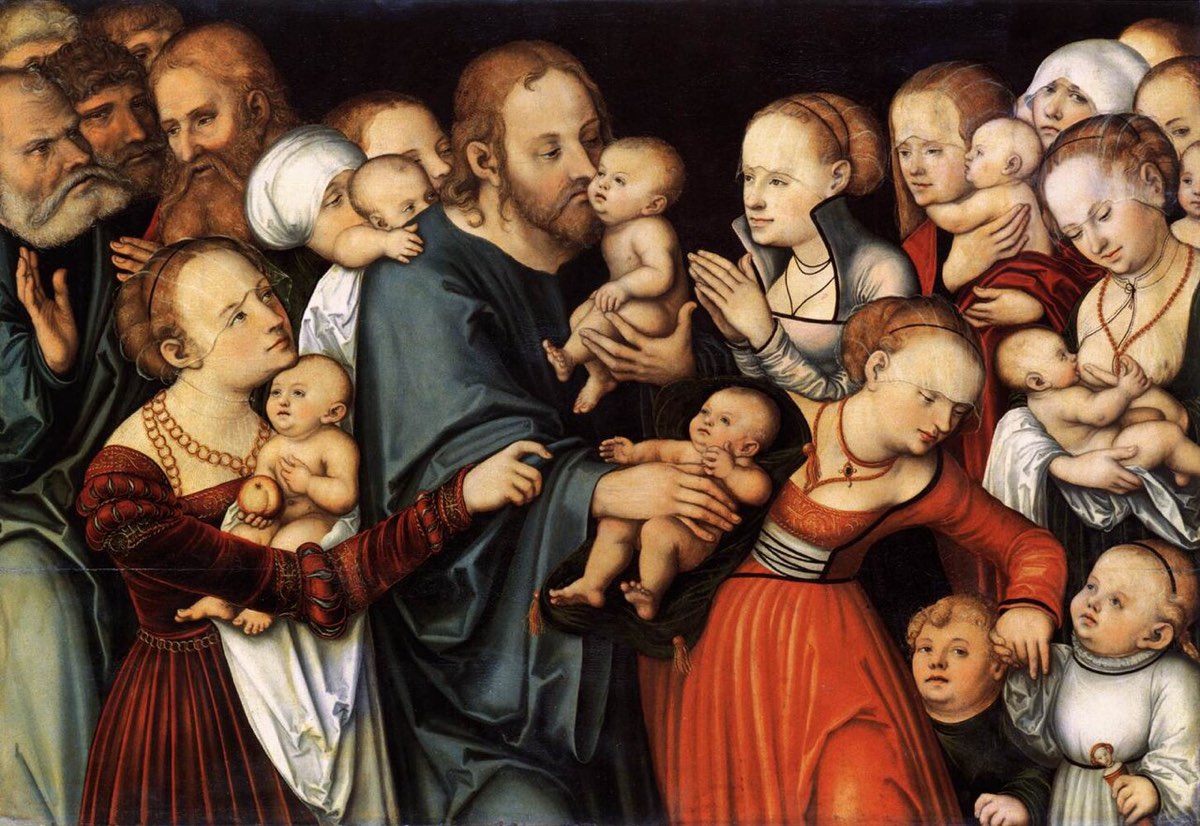
The child enters the argument through the line "suffer the little children to come unto me." For Kardec, the child symbolizes a relative purity: the reincarnated Spirit brings its imperfections along, but in the early years they remain dormant. For that reason, childhood would be the most favorable time for moral education, and a mother's affection would play a central role in that task.
Morality begins in thought
The chapter holds that fault already exists in thought, because thought reveals the state of the soul. Whoever lets themselves be carried by an evil idea, even without acting on it, already shows tolerance for imperfection. Whoever rejects it is making progress. Whoever does not even conceive of it has already purified the self within.
Hence the importance of intention. In this view, divine judgment weighs the impulse of the heart, not only the act. The degree of guilt or merit varies according to one's awareness of the wrong, the effort made to resist temptation, and sincere repentance.
Purity is not ritual
Kardec recalls Jesus's criticism of the Pharisees, who tended to the cleanliness of their hands while neglecting that of their hearts. The passage closes with the idea that impurity comes from what a person says and does, not from what they eat. The chapter's comment is blunt: a religion of outward gestures changes no one. What matters is the kind that changes the inside.
Scandal and the role of evil
The text also addresses "scandal," in the biblical sense of leading others to fall. For the doctrine, evil has a passing educational function, because pain and error awaken conscience and lead to repentance. Whoever commits it, though, answers for the acts and for the negative influence they spread, even when unaware of doing so.
The Spirits cited explain that God permits evil but does not desire it. It would exist because of ignorance and imperfection, and would cease to exist once everyone freely chose good.
Harsh images, symbolic meaning
When Jesus commands that the eye be plucked out or the hand that leads to sin be cut off, Kardec reads the language as symbolic. What is to be cut away is pride, vanity and vice, not the body.
The chapter also includes a message attributed to the Spirit of Vianney, the Curé of Ars, about blindness. According to it, many who lose physical sight gain spiritual light. Blindness could also be the consequence of the poor use of sight in another life, and still serve as a path to elevation, acceptance and closeness to God. This is a Spiritist interpretation of suffering, and should be read as such.
A choice that is renewed
The chapter's conclusion is that purity is not perfection but direction: right intention, a sincere search for good, and distance from pride, hypocrisy and selfishness. Seeing God, in this reading, would not be done with the eyes of the body, but with those of the awakened soul. The question the text leaves behind is less about what one does than about what one wants to do, and whether that wanting is renewed each day.
Sources and references for this article
Allan Kardec, _The Gospel According to Spiritism_, chapter 8: Blessed are the pure in heart
The Gospel According to Spiritism, Wikipedia (published in Paris, April 15, 1864)Sermon on the Mount, Wikipedia (Matthew 5–7)Translated from Portuguese. This article was rewritten from a post on the original blog, in Portuguese. Read the original
Read next
 Death and beyondHow Allan Kardec tested spirit messages and assembled the Spiritist codification
 Death and beyondKardec, Socrates, and Plato: the morality of Christ separated from dogma in the Spiritist Gospel
 Vedanta and YogaGita, lesson 20: consciousness isn't in the world, the world is in it
 Accounts and channelings · VideoAkashic Records: where the idea of a universal memory comes from, and how to access it
 Death and beyond · VideoWhat souls do after death, in a Spiritist view: work, study, and service