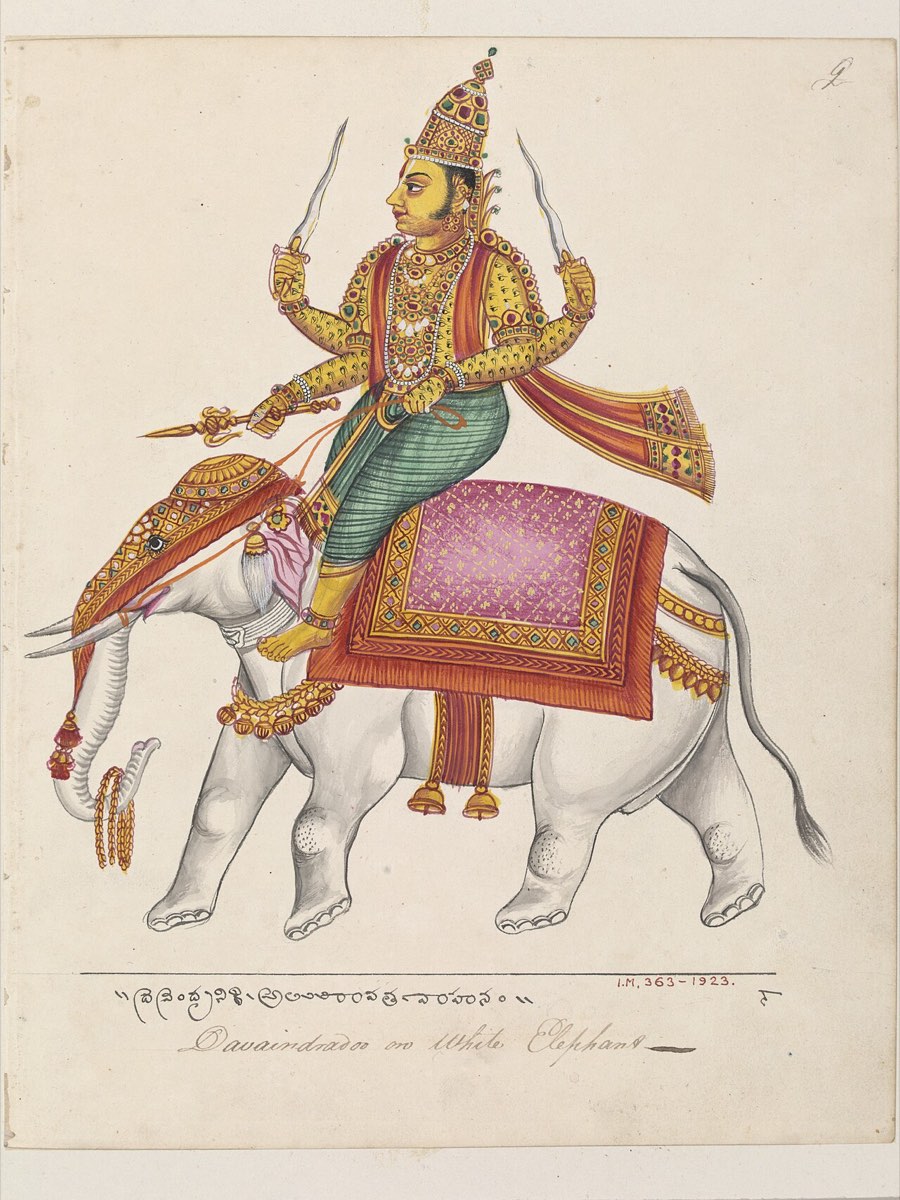
Gita, lesson 12: heaven as a promise, and the search to feel at ease with oneself
Twelfth chapter in the series: why heavens and pleasures never resolve the feeling of being insufficient, and what Vedānta proposes instead.
· 2 min read · Sources
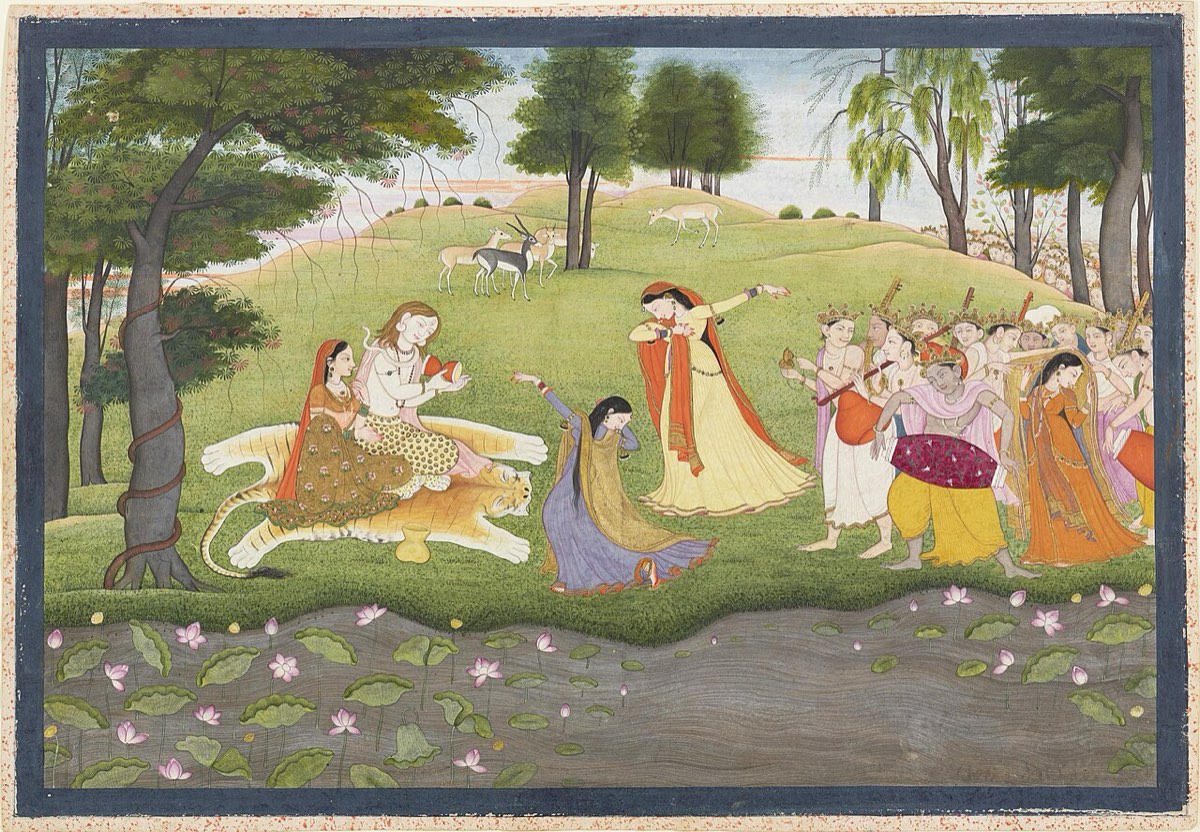

In 1 minute
- Dayananda compares the promises of heaven to supermarket shelves: you can look without having to buy.
- For him, what people seek in trips, achievements, and rituals is to feel good about themselves.
- Accepting oneself as small is resignation; Vedānta holds that apparent limitation comes from ignorance, and is resolved through knowledge.
Full article
What are we looking for when we long for a vacation, success, or even paradise? The twelfth chapter of Swami Dayananda Saraswati's series argues that the goal is always the same: to feel at ease with oneself. Everything else would be attempts to get there by detour.
Heaven as merchandise
Dayananda notes that the Vedas, India's oldest texts, and other scriptures describe heavens and rituals for prosperity, children, and a future life. He compares them to a supermarket shelf: you can look, but no one is required to buy. He adds a logical point as well, that a heaven with a beginning and an end is like a trip with a return ticket.
The conclusion is that fleeing the discomfort of being oneself, whether at a party, on a retreat, or in paradise, leaves intact the very thing one is fleeing from.
Small, or only appearing small
The chapter's core concern is the feeling of insignificance. Even those with success, fame, or learning tend to feel limited, because everything one achieves is finite while the desire is for something without limit. Dayananda criticizes self-help advice that tells people to accept their own insufficiency and live with it. He calls that resignation, not wisdom.
In its place, he offers a logical alternative. Either the person is in fact small, in which case there is no way out, or they only appear small because of ignorance (avidyā), in which case the solution is self-knowledge (ātma-jñāna). Vedānta, the Indian school of reflection on the Self, takes the second view: the essential Self would be complete and lacking nothing.
A single goal
From this comes the concept of niścaya, the clear determination that everything one seeks, security, love, freedom, is found in the recognition of the Self. Without that clarity, the mind jumps from one desire to the next. With it, life gains a direction. This knowledge, the chapter says, is not added to a list of information: it changes the very identity of whoever receives it.
The full study appears in the book The Essence of the Bhagavad Gita, by Swami Dayananda Saraswati.
Sources and references for this article
The Essence of the Bhagavad Gita, Swami Dayananda Saraswati (book)
Translated from Portuguese. This article was rewritten from a post on the original blog, in Portuguese. Read the original
Read next
 Vedanta and YogaKatha Upanishad: the young Nachiketas and the question Death tried to dodge
 Vedanta and YogaListening to see: what Vedānta asks of those who want to know themselves
 Western esotericism · VideoThe Hermetic axioms: why the Kybalion closes by demanding practice, not theory
 Science and consciousnessVedānta and quantum physics: what the observer has to do with reality
 Vedanta and Yoga · VideoThe straw of Agni: what the Kenopanishad teaches about the pride of the gods