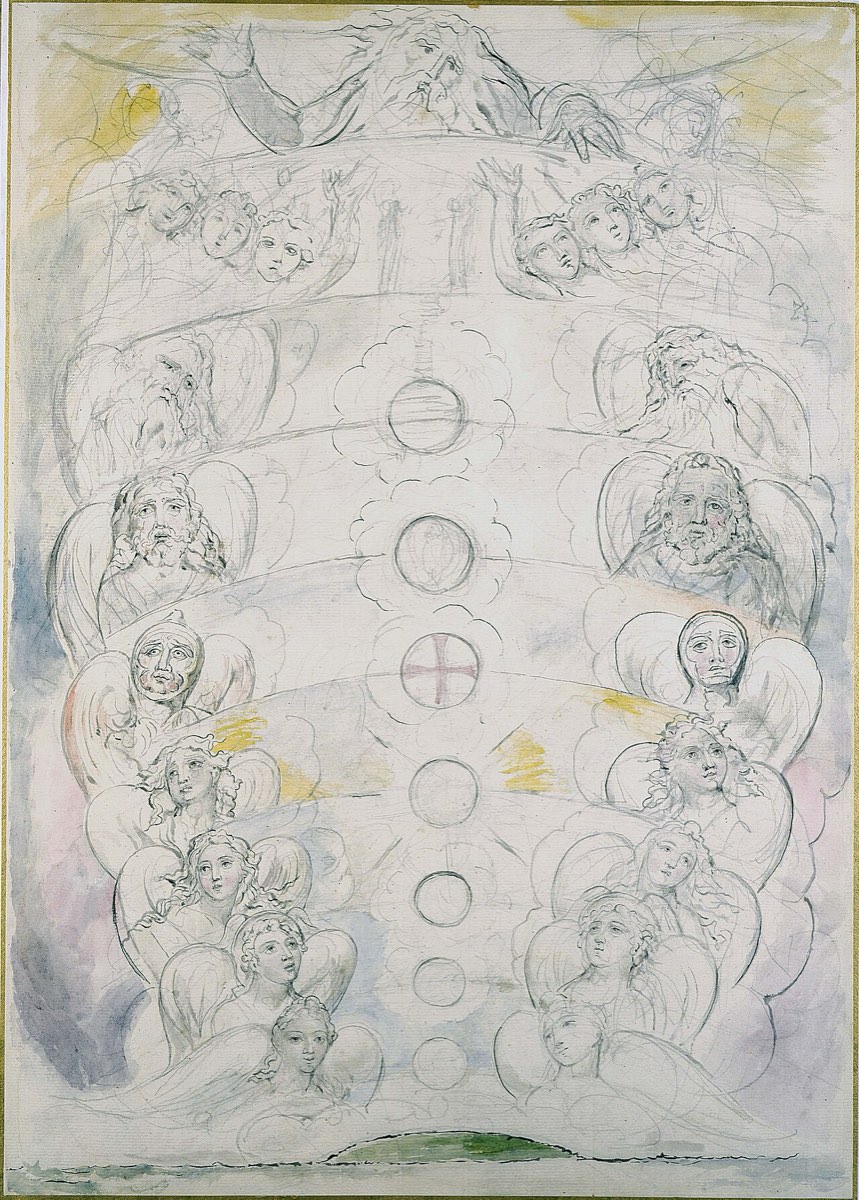
Blessed are those who mourn: how Kardec explains suffering and comfort
Kardec reads “blessed are those who mourn” as a promise that only makes sense with a future life and reincarnation, and splits affliction into two origins.
· 3 min read · Sources

In 1 minute
- For Kardec, without life after death the suffering of those with no apparent guilt would be sheer injustice; with reincarnation it becomes atonement or trial.
- The chapter splits afflictions into those of present cause, tied to conduct in this life, and those of past cause, attributed to earlier existences.
- The ideas of reincarnation and of choosing one's trials belong to Spiritist doctrine and cannot be proven.
Full article
Why do good people suffer, and why do children die young? The question runs through every religion and philosophy, and chapter 5 of Allan Kardec's The Gospel According to Spiritism is Spiritist doctrine's answer. It starts from a line in the Sermon on the Mount, recounted in the Gospel of Matthew, "blessed are those who mourn, for they shall be comforted," and reads it as a promise that only makes sense if there is a life beyond this one.
The ideas of reincarnation, past lives and the choosing of trials belong to Spiritist doctrine, which treats them as truth and which cannot be proven.
Without a future life, suffering makes no sense
Kardec's argument is logical before it is consoling. If existence ends at death, the pain of someone who suffers with no apparent fault is pure injustice. With a future life and reincarnation, it gains a function: it can be atonement, reparation for past faults, or trial, a challenge that strengthens. Either way, suffering would stop being punishment and become an instrument of progress.
Two origins for affliction
The chapter sorts afflictions into two families. Those of present cause arise from what one does in this life: bad decisions, vanity, greed, selfishness and neglect of the body, of learning and of relationships. Those of past cause would be tied to earlier existences, and are recognized by having no visible cause, such as congenital illness and the early loss of loved ones.
For Kardec, everything that happens has a just cause, and when it cannot be found in this life, it would lie in another. The plurality of existences would explain why divine justice seems to fail: each person reaps today what they planted before, and always has the chance to make amends and start again.
Atonement, trial and mission
The text distinguishes three figures. Atonement is suffering for past faults, which purifies. Trial is the challenge a Spirit accepts in order to grow stronger. Mission is an elevated task, demanding effort, courage and renunciation. Many Spirits, according to the doctrine, would choose the trials they are to face, so as not to lose the chance to evolve.
God's justice, in this reading, is distributive: it gives each person trials matched to their spiritual level. Those who suffer greatly would have much to redeem, but also great capacity to endure. Resignation and faith, the chapter says, shorten pain and elevate the Spirit, and knowing how to suffer is knowing how to use pain to grow.
What the Spirits say
The messages gathered in the chapter say that true misfortune is not poverty but spiritual emptiness. Resignation would be an elevated form of courage. Suicide is presented as a grave error, one that would worsen future suffering. Torturing the body, on the other hand, is not virtue: the sacrifice that matters, the text says, is overcoming pride and serving others.
To those who lose someone, especially parents, the doctrine offers another view of early death. For materialism it is only tragedy. For the Spirits cited here, it can be liberation, protection from the evils of Earth, or the completion of a short, effective mission. The invitation is to look past the pain and trust in the bonds of love that would continue.
A possible happiness
Kardec considers complete earthly happiness impossible, but allows for a relative happiness, one that comes from peace of conscience rather than from the satisfaction of passing desires. Envy, pride and ambition, the chapter says, are torments chosen by those who ignore the life of the spirit.
It closes with the idea that suffering without revolt, with acceptance and hope, is the fastest way for the soul to progress. Whoever understands this, the text states, does not despair, does not feel abandoned, and finds strength where others give way.
Sources and references for this article
Allan Kardec, The Gospel According to Spiritism, chapter 5
The Gospel According to Spiritism, Wikipedia (published in Paris, April 15, 1864)Sermon on the Mount, Wikipedia (Matthew 5–7)Translated from Portuguese. This article was rewritten from a post on the original blog, in Portuguese. Read the original
Read next
 Death and beyond · VideoAllan Kardec's “testament”: what is known and what is narrative
 Death and beyondHow Allan Kardec tested spirit messages and assembled the Spiritist codification
 Western esotericismGnosticism: origins, schools, texts, and what survived the repression
 The EastWhy we suffer: Buddhism, Taoism, and karma in Laércio Fonseca's reading
 Death and beyond · VideoA hereafter with no judge: Laércio Fonseca on the fate of consciousness after death